When selecting window treatments, Singapore HDB living rooms—which are frequently the center of the house—present special challenges. For HDB residents, blinds provide a variety of advantages as a flexible and useful solution that addresses issues like heat, privacy, and light control in small spaces. This guide examines the different kinds of blinds, their characteristics, and how they can improve the appearance and usability of your HDB living space. Recognizing the requirements for your HDB living room.
It is important to consider the particular needs of your living room before choosing blinds. The best option will depend on a number of factors, including window orientation, available natural light, privacy concerns, and overall design aesthetic. Window treatments should be sleek, inconspicuous, and extremely practical in order to complement HDB units’ well-known efficient use of space. Privacy and Control of Light. The sun in Singapore’s tropical climate can be very strong.
In addition to being essential for comfort, effective light control also protects furniture and lowers cooling expenses. Another important factor is privacy, particularly for units on the ground floor or those that face adjacent blocks. Blinds provide adjustable solutions to control both of these factors, making it simple to go from full visibility to total seclusion. Controlling heat. Strategies to reduce heat gain are necessary because of Singapore’s constant warmth.
Certain blind designs and materials are better at reflecting and insulating sunlight, which helps create a cooler interior. This could result in a decrease in the need for air conditioning, which would have a noticeable positive impact on utility costs. Integrating aesthetics. Your personal style is reflected in the design of your HDB living room.
Blinds should blend in perfectly with your interior design to improve the atmosphere without taking over the room. The current HDB aesthetic is complemented by minimalist designs that are popular. A contemporary classic for HDB living are roller blinds.
| Blind Type | Material | Light Control | Privacy Level | Maintenance | Typical Price Range | Suitability for HDB Living Rooms |
|---|---|---|---|---|---|---|
| Roller Blinds | Fabric (Polyester, PVC) | Medium to High | High | Easy – Wipe Clean | Moderate | Popular for modern, minimalist HDB living rooms |
| Venetian Blinds | Aluminum, Wood, PVC | Adjustable | Medium to High | Moderate – Dusting and occasional wash | Moderate to High | Good for adjustable light and privacy control |
| Vertical Blinds | Fabric, PVC | High | High | Moderate – Dust and wipe | Moderate | Suitable for large windows or sliding doors in HDB |
| Roman Blinds | Fabric (Cotton, Linen) | Medium | Medium | Moderate – Dry clean or gentle wash | High | Elegant option, adds softness to HDB living rooms |
| Honeycomb Blinds | Fabric (Cellular) | High | High | Easy – Vacuum or wipe | High | Energy efficient, good for insulation in HDB flats |
Because of their high functionality & traditional simplicity, roller blinds are still a popular option for HDB living rooms. They virtually vanish when retracted, making their streamlined profile a perfect fit for small spaces. Roller blind kinds.
To meet a range of light control and privacy requirements, contemporary roller blinds come in a number of materials & opacities. Blackout roller blinds are perfect for creating a dark space for projector use, afternoon naps, or guaranteeing the highest level of privacy at night because they completely block out light. Light penetration is effectively blocked by the dense fabric, creating an almost complete blackout. This is especially useful for bedrooms, but it can also be useful for some activities in the living room.
Light-Filtering Roller Blinds: By dispersing natural light, these blinds lessen glare while still letting in a gentle glow. They preserve privacy without sacrificing light & airiness. They provide a pleasant ambient glow & are appropriate for living rooms that want a balance between natural light and discretion.
Sheer Roller Blinds: With a delicate touch, sheer roller blinds filter intense sunlight and offer privacy during the day while preserving an outdoor view. They work very well to create an air of lightness and openness. Double-Layer Roller Blinds (Day/Night Blinds): This cutting-edge design combines two roller blinds on a single bracket, usually a blackout layer at night & a sheer or light-filtering layer during the day. You can switch between enhanced privacy, diffused light, or total darkness as needed thanks to this dual functionality, which offers remarkable versatility. This choice is especially useful for living rooms that have several uses during the day and night.
HDB’s practical considerations. Roller blinds are a stylish and compact option for HDB living rooms. They complement current HDB interior design trends with their simple design & ease of use. Given Singapore’s climate, consideration should be given to the fabric’s durability and UV resistance when choosing roller blinds.
Long-term sun exposure won’t cause fading or deterioration in high-quality materials. The Dual-Layer Benefit of Korean/Combi Blinds. Korean blinds, sometimes referred to as Combi blinds or Zebra blinds, offer a distinctive combination of light control and elegant design, marking a modern advancement in window treatments. Their unique alternating sheer & opaque fabric strips enable a dynamic privacy and light adjustment. Mechanism & Operation. Korean blinds work by rolling two layers of cloth with sheer and opaque horizontal stripes over one another.
Different levels of light filtration can be achieved by aligning the stripes. Open Position: The room receives the most light when the sheer stripes of both layers line up, and the outside view is mostly unhindered. Closed Position: Light is greatly reduced and privacy is maximized when the opaque stripes line up.
This produces a gentle, diffused light that resembles roller blinds that filter light. Fully Retracted: Similar to roller blinds, Korean blinds provide maximum natural light and an unhindered view when fully retracted into their cassette. Both aesthetic appeal and space conservation. The sleek, simple design of Korean blinds is highly praised.
Because HDB living rooms are frequently small in size, the lack of conventional slats or heavy cords helps create a tidy and uncluttered appearance. They are a popular option for homeowners seeking a contemporary & sophisticated aesthetic because of their covert wall-friendly installation, which further amplifies this feeling of spaciousness. Also, the dual-layer functionality simplifies window treatments and saves space by eliminating the need for additional sheer curtains. Fit for Living Rooms at HDB.
These blinds work especially well in HDB living rooms where different light levels are needed all day. For instance, the sheer strips can be positioned to let in natural light and preserve some privacy during business hours, avoiding direct looks from nearby blocks. The opaque strips can be positioned for complete privacy at night. Korean blinds are a versatile option for modern HDB homes because of their modern elegance, which is in line with current interior design trends like Japandi aesthetics, which favor simplicity, natural elements, and functional design.
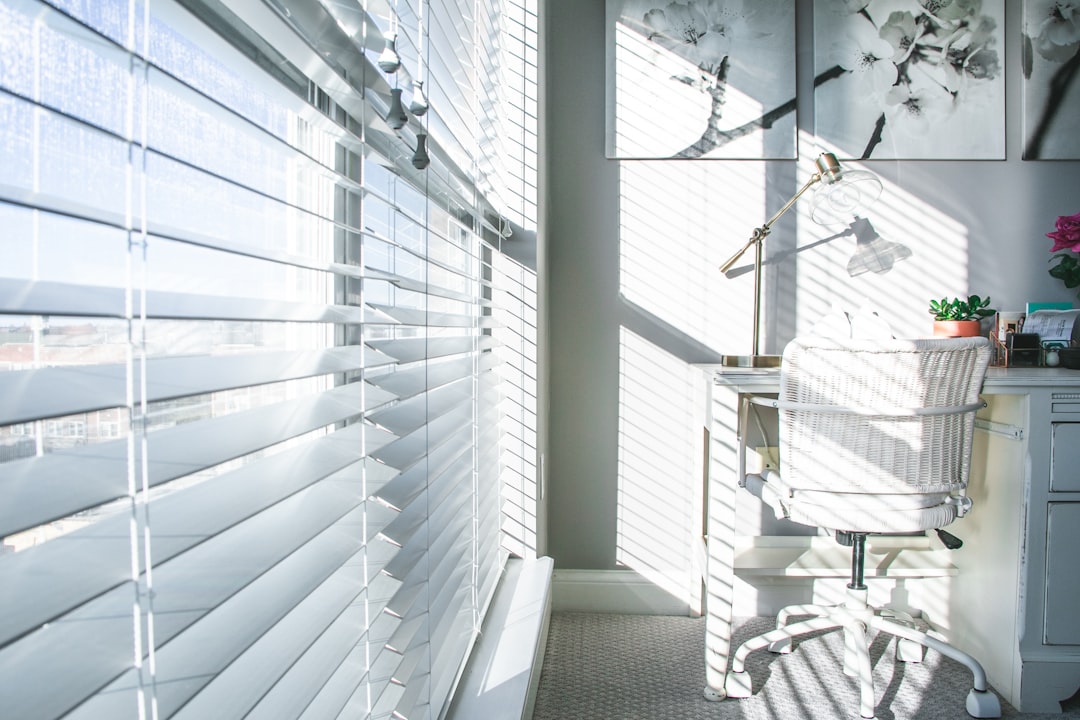
Venetian Blinds: Classic Management. For controlling light and privacy, venetian blinds provide a traditional and incredibly adaptable option. They have precise adjustment capabilities because their horizontal slats can be raised, lowered, or tilted.
New Materials. Venetian blinds, which were traditionally made of wood or aluminum, are now available in a wider variety of materials, such as PVC, faux wood, and increasingly sustainable composites. Matte Finishes: The introduction of matte finishes for Venetian blinds is a major trend for 2026.
Moving away from glossy surfaces, these provide a refined, subtle elegance that goes well with modern HDB interiors. Biophilic Colors: Muted greens, earthy browns, and gentle blues are examples of biophilic colors that are becoming popular as they embrace palettes inspired by nature. These hues help create a serene and revitalizing atmosphere in the living room, which is in line with the growing trend of adding natural elements to urban dwellings. For HDB residents looking to soften the frequently concrete landscape outside their windows, this trend is especially pertinent. No-Drill and Cordless Designs: Convenience & ease of installation are important to HDB residents.
Tension rods or adhesive mounts are used in no-drill Venetian blinds, which makes them perfect for rental units or people who would rather not make long-term changes. Cordless designs provide a cleaner, more minimalist appearance while also improving child and pet safety. Reduced Glare and Privacy. Venetian blinds are particularly good at reducing glare because the slats can be tilted precisely. In Singapore, where the afternoon sun can be particularly strong, slats facing east or west can be tilted upward or downward to effectively block direct solar rays while still allowing diffused light to enter.
This accuracy also translates into better privacy control; deliberate tilting can block direct line-of-sight from the outside even when the slats are open to let in some light. resilience and upkeep. Venetian blinds made of aluminum and faux wood are ideal for Singapore’s humid climate because they are incredibly strong and resistant to warping.
Aluminum is particularly moisture-resistant & simple to clean with just a moist cloth. The appearance of real wood is provided by faux wood, but it is less prone to pests and moisture. Good Venetian blinds are long-lasting and require little upkeep, especially if they are constructed of engineered materials.
Layered and textured blinds: Adding complexity and refinement. Blinds can greatly enhance the aesthetic depth of an HDB living room in addition to serving practical purposes. Because they can add warmth and visual interest, textured and layered options are becoming more and more popular. Texture’s allure.
The monotony of flat surfaces is broken by the tactile element that textured blinds add to the space. materials such as natural fibers, woven textiles, etc. “g.”. bamboo, jute), or even embossed synthetic textiles, produce a subtle but powerful visual dynamic.
These textures can go beyond simple functional window coverings to become an integral part of the interior design, enhancing the sense of sophistication and coziness. This method enhances the living space’s sensory experience and is in line with interior trends that favor organic shapes & natural materials. Layering to Improve Ambience. In order to create a multifaceted effect, layering blinds entails combining various window treatment types.
Sheer layers & textured blinds are a popular and very successful combination for HDB living rooms. Textured Blinds with Sheer Curtains: Flexibility can be achieved by placing a textured roller or Roman blind behind a sheer curtain for privacy & light control. When the textured blind is retracted during the day, the sheer curtains can soften the light and create a delicate aesthetic. The textured blind can be lowered in the evenings or when additional privacy is required. In HDB settings where natural light is valued but privacy is also a concern, this combination works incredibly well. Day/Night Blinds (Integrated Layering): Some designs naturally include layering, as was mentioned with roller and Korean blinds.
A simplified substitute for separate curtain & blind installations, the double-layer roller blinds provide an integrated solution for varying light and privacy. conforming to HDB Grille Compliance and Japanese aesthetics. The Japandi aesthetic, which blends the serene minimalism of Japanese artistry with the clean lines of Scandinavian design, is strongly aligned with the idea of textured and layered blinds. Textured blinds represent the natural textures, subdued colors, and practical elegance that characterize this style.
Layered blinds can be made to fit inside window recesses or just outside of them for HDB homes that already have window grilles. This ensures compliance with HDB regulations while maintaining the desired appearance & functionality. For many homeowners, the seamless integration of blinds with these grilles without compromising their functionality or appearance is a useful benefit. Climate Issues and Upkeep for Singaporean HDBs.
The choice and durability of window treatments are greatly influenced by Singapore’s tropical climate, which is marked by intense heat and humidity. For HDB homeowners, choosing blinds that are resistant to these environmental factors is essential. Humidity tolerance.
Over time, some materials may warp, mildew, or deteriorate due to high humidity. Venetian blinds made of aluminum and faux wood, as well as roller blinds made of synthetic materials like polyester and PVC composites, are great options because they are naturally moisture-resistant. Despite their attractive appearance, natural fiber blinds might need more thought & possibly more frequent cleaning in high-humidity settings to stop mildew from growing.
The effects of humidity on blinds can also be lessened with adequate ventilation in the living room. Heat and UV resistance. Long-term, direct exposure to Singapore’s strong sun can cause materials to become brittle and colors to fade. Blinds with reflective backings or UV-resistant textiles help block damaging UV rays, shielding your interior furnishings as well as the blinds themselves.
In particular, blackout blinds frequently have coatings or dense weaves made especially to reflect heat and UV rays, lowering the interior temperature. Selecting blinds with long-lasting mechanisms is also crucial for their longevity because continuous high heat can eventually stress mechanical components. Tips for general upkeep. For your blinds to last longer and continue to be both functional and aesthetically beautiful, regular cleaning and maintenance are crucial.
Dusting: The most basic maintenance procedure is routine dusting with a soft cloth or a vacuum cleaner with a brush attachment. This keeps dust from building up, which can eventually become harder to remove and occasionally act as a substrate for the growth of mold in humid environments. Spot Cleaning: Use a moist cloth and a mild soap solution to remove stains. To make sure the cleaning agent doesn’t harm the fabric or finish, always test on a discrete area first.
Steer clear of harsh chemicals that can deteriorate or discolor materials. Deep Cleaning (if necessary): A damp cloth and a mild detergent can be used to wipe down certain roller blind fabrics for a more thorough cleaning. Venetian blinds are simple to clean, especially those composed of aluminum or imitation wood. Professional cleaning of fabric blinds may occasionally be required, particularly in homes with smokers or pets.
Mechanism Checks: Look for wear or loosening on operating mechanisms, cords (if any), & mounting hardware on a regular basis. Timely resolution of minor issues can avert more serious ones and guarantee seamless operation. When it comes to battery replacement and motor maintenance for motorized blinds, adhere to the manufacturer’s instructions. Mould Prevention: Given Singapore’s humid climate, mould may be an issue.
Make sure your living room has adequate ventilation, especially after it has rained, and if the humidity is constantly high, think about utilizing dehumidifiers. Use a diluted white vinegar solution to clean up any obvious mold spots right away. HDB homeowners can guarantee that their blinds will continue to be a useful and appealing feature of their living room for many years by choosing appropriate materials and putting in place a regular maintenance schedule.
Singapore’s cost ranges & lifespan. HDB homeowners can make well-informed decisions that balance initial investment with long-term value by being aware of the typical cost ranges and expected lifespan of blinds in Singapore. Depending on the material, customization, features, & size, prices can vary greatly. Cost ranges (roughly 1.5m x 1.2m) for a typical HDB living room window. Actual costs may differ from these broad estimates.
It is always a good idea to get several quotes that are customized to your window’s size and desired features. Blinds that roller. Synthetic, basic color options that are affordable: SGD 80 to SGD 150.
Mid-Range: SGD 150 to SGD 250 (better fabrics, blackout, UV resistance). Premium: SGD 250 to SGD 400+ (designer fabrics, extremely durable, cutting-edge features). Day/night blinds with two layers: SGD 200 to SGD 450+. Blinds that are Korean or Combi. Standard Textiles: SGD 180 to SGD 350.
Larger windows and premium fabrics cost SGD 350 to SGD 600+. Venetian blinds made of faux wood and aluminum. Aluminum: SGD 120 to SGD 250 (standard colors). Standard color faux wood costs between SGD 180 and SGD 380.
Superior finishes, personalized colors, cordless: SGD 380 to SGD 600+. Motorized Blinds: Depending on the motor brand, smart home integration capabilities, and control options (remote, app), adding motorization to any type of blind usually costs an extra SGD 250 to SGD 600+ per unit. Basic measurements and installation are usually included in these costs, but more complicated installations or features might cost more.
Lifespan Estimates. In an HDB setting, material quality, frequency of use, upkeep, & exposure to Singapore’s climate all affect how long blinds last. Roller blinds. Basic quality: 3 to 5 years (may exhibit fading, wear, or mechanical problems). Mid to High quality: 5–10 years (good durability, colors hold well, mechanisms stay smooth).
10+ years of well-maintained superior quality.
Combi/Korean Blinds. Four to seven years is the standard quality (fabric stretch or minor mechanism issues may occur). Superior quality: 7 to 12 years (made with durable materials & mechanisms for longevity).
Venetian Blinds: Faux Wood & Aluminum. Aluminum: 8 to 15 years (very resilient, humidity-resistant, mechanism wear is the primary factor). Faux Wood: 7–12 years (resistant to warping, although mechanisms may eventually break or slates may chip). Well-maintained quality: 15+ years for both, particularly with careful handling of the mechanisms.
Motorized Components: Although motors usually have a 3–5 year warranty, with proper use, they can often operate dependably for 7–10 years or longer. Battery replacement is necessary for motors that run on batteries on a regular basis. In Singapore’s tropical climate, it makes sense to prioritize longevity over quality, particularly for living room blinds that are used frequently. Durable blinds are more cost-effective overall because they provide consistent performance over time and require less frequent replacement, even though their initial costs may be higher. Selecting sturdy mechanisms and UV-resistant materials also reduces the early deterioration that is frequently brought on by prolonged sun exposure and high humidity.
.
FAQs
What types of blinds are suitable for HDB living rooms?
Common types of blinds suitable for HDB living rooms include roller blinds, Venetian blinds, vertical blinds, and Roman blinds. These options offer varying levels of light control, privacy, and aesthetic appeal.
Are there any restrictions on installing blinds in HDB flats?
Yes, HDB has guidelines regarding the installation of window treatments. Residents must ensure that blinds do not protrude beyond the window frame or affect the building’s external appearance. It is advisable to check with HDB or the Town Council before installation.
How do blinds help with privacy in HDB living rooms?
Blinds provide adjustable coverage for windows, allowing residents to control visibility from outside. This is especially important in HDB flats where units are close to each other, enhancing privacy without sacrificing natural light.
Can blinds help with temperature control in HDB living rooms?
Yes, certain types of blinds, such as thermal or blackout blinds, can help reduce heat gain by blocking sunlight. This can contribute to a cooler indoor environment and potentially lower air conditioning costs.
What maintenance is required for blinds in HDB living rooms?
Blinds generally require regular dusting and occasional cleaning with a damp cloth or mild detergent, depending on the material. It is important to follow manufacturer instructions to maintain their appearance and functionality.