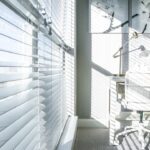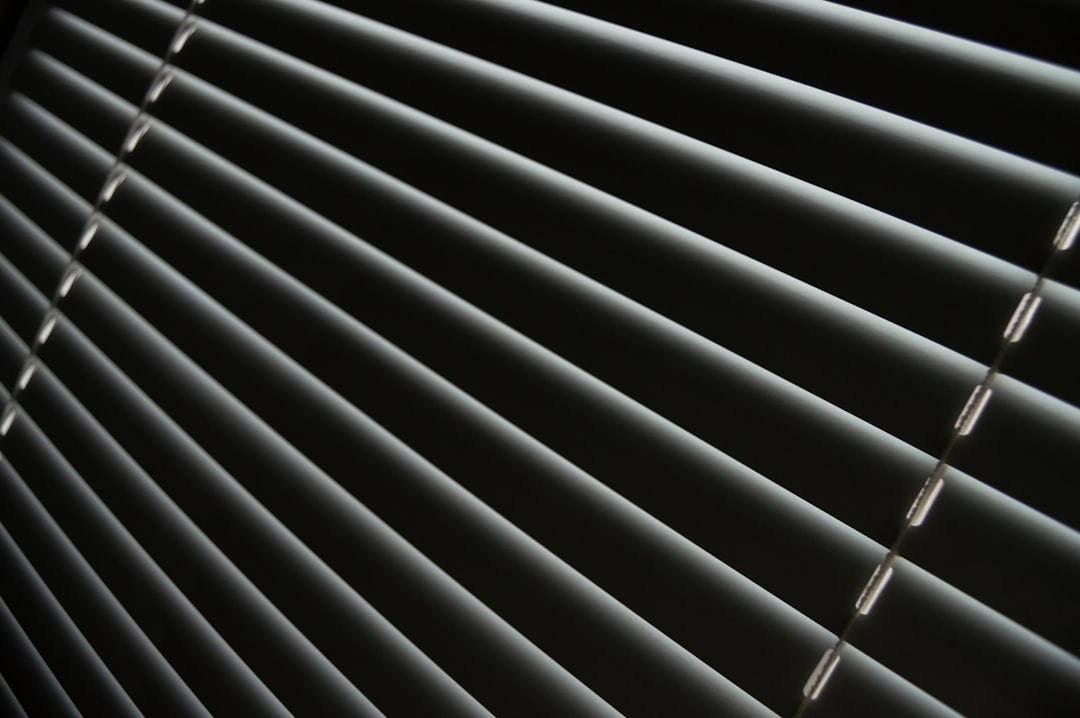
A popular choice for window treatments, venetian blinds provide some privacy and light control. For homeowners, knowing their suitability is essential given the particular climatic challenges faced by Singaporean homes. This article seeks to give a thorough introduction to Venetian blinds, looking at their value proposition overall, practical uses in various types of homes, and performance in tropical climates. Horizontal slats held up by cords or tapes make up the fundamental component of Venetian blinds.
The amount and direction of light entering a room can be precisely controlled by tilting these slats to different angles. Wood, PVC, or aluminum are usually the main materials used to make these slats. Each material has unique benefits and drawbacks, some of which are especially pertinent to the climate in Singapore.
Lightness and reflectivity of aluminum slats. A common option because of their exceptional reflectivity, durability, and low weight are aluminum slats. Aluminum’s natural reflective qualities can aid in deflecting a sizable amount of solar radiation away from the window in Singapore’s intense sunlight.
Heat gain is a persistent issue in tropical settings, and this is especially helpful in lowering it. When the blinds are fully up, the aluminum slats’ thinness also makes stacking them more compact. PVC Slats: Economical and Water-Resistant. For Venetian blind slats, PVC (polyvinyl chloride) is another popular material.
In general, it is less expensive than aluminum & has good moisture resistance, which is advantageous in Singapore’s humid climate. However, after being exposed to heat and direct sunlight for an extended period of time, PVC may become less resilient & more likely to warp or fade. Insulation and aesthetics of wood and faux wood slats.
| Aspect | Description | Works Well When | Does Not Work Well When |
|---|---|---|---|
| Material | Typically made from aluminum, wood, or PVC | Aluminum and PVC resist humidity and are durable in tropical climates | Wood blinds may warp or deteriorate due to high moisture levels |
| Light Control | Adjustable slats allow precise control of sunlight | Effective in managing intense tropical sunlight and glare | Less effective if slats are left open during peak sun hours |
| Ventilation | Slats can be tilted to allow airflow while blocking sun | Good for maintaining airflow and cooling in tropical homes | Not ideal if complete privacy or blackout is required |
| Maintenance | Requires regular cleaning to prevent dust and mold buildup | Easy to clean materials like aluminum and PVC suit humid environments | Wood blinds require more care and may need treatment against mold |
| Privacy | Provides moderate privacy depending on slat angle | Works well when slats are angled to block outside view | Less effective if slats are wide open or damaged |
| Durability | Varies by material and exposure to elements | Aluminum blinds resist corrosion and last longer in tropical climates | Wood blinds may degrade quickly without proper treatment |
Despite their aesthetic appeal and inherent insulating qualities, wooden venetian blinds are not as frequently advised for primary use in Singapore’s humid climate. Increased maintenance needs can result from warping, expansion, & possible mold growth caused by high humidity. Made from composite materials, faux wood blinds provide a more durable substitute that resembles real wood but is better able to withstand heat and moisture. They can provide a decent mix between usefulness & style.
System of Control: Slanting for Privacy and Light. The tilting capability of Venetian blinds is their basic mechanism. The control system, which is usually a cord or wand, adjusts the slats’ angle. The slats overlap to form a barrier against light and views when tilted to a closed position.
The amount of privacy attained depends on the slats’ angle and degree of overlap. The slats can be moved to direct light either upward or downward when they are opened, providing direct sunlight or diffused illumination as needed. High temperatures, strong solar radiation, and high humidity all year round define Singapore’s tropical climate. For homeowners looking for practical solutions for comfort and energy efficiency, it is critical to comprehend how Venetian blinds operate in these circumstances. The ability to block the sun & heat.
A significant reduction in solar heat gain can be obtained with Venetian blinds, especially those composed of reflective materials like aluminum. They stop a large amount of the sun’s energy from entering the house by arranging the slats to block direct sunlight. Correctly angled slats can divert sunlight upward toward the ceiling, which reduces disturbance and helps to keep the interior cooler. In ideal circumstances, exterior Venetian blinds can reduce heat gain by up to 90% because they block the sun’s rays before they enter the house through window glass. This can result in a discernible decrease in the need for air conditioning, which will cut expenses and energy usage.
But it is important to recognize the limitations. The slats provide little protection from direct sunlight when they are fully open, and heat gain may increase. Due to the fact that some solar radiation will always pass through the glass before being blocked, interior Venetian blinds are inherently less effective than exterior ones. Controlling the airflow and humidity.
The high humidity in Singapore poses a special difficulty. When Venetian blinds are partially open, their slats can be tilted to allow for some airflow, but when they are closed, moisture may be trapped between the blind & the window pane or inside the window cavity. This trapped moisture may cause condensation in poorly ventilated areas or, over time, may promote the growth of mold & mildew, particularly on organic materials like wood. Venetian blinds should therefore be used in rooms with continuously high humidity levels, and careful material selection & frequent ventilation are crucial. both conduction and insulation.
Venetian blinds are best at blocking radiant heat, but they can also provide some insulation by forming a barrier against the outside. They are not as good as solid, insulated window treatments at stopping heat transfer through conduction. The U-value of the window assembly, a measurement of heat loss, is lowered when the slats are closed. Nonetheless, some heat conduction will still occur in the absence of a tight seal. Venetian blinds work best with high-performance windows for maximum energy efficiency, especially when it comes to reducing heat loss during cooler months (though this is less of an issue in Singapore).
In Singapore, venetian blinds provide a flexible answer to a variety of everyday home requirements, especially when their adjustable design is used to counteract particular environmental influences. Management of large windows & a balcony door. Singaporean landed properties, HDB apartments, & condos frequently have balconies that receive a lot of direct sunlight.
Here, venetian blinds, particularly those that are external, can work wonders. When desired, they can be tilted to block the intense afternoon sun while still permitting natural light and ventilation. Venetian blinds offer a stylish and useful covering for large sliding balcony doors, which are typical in condominiums.
They are also easily adjustable throughout the day. Lamp Control in the Study and Living Rooms. Venetian blinds are perfect for bright spaces like living rooms and study areas where the sun’s glare can be distracting.
By precisely adjusting the slats’ angle, homeowners can lessen glare and diffuse light without totally darkening the space. This adjustability is especially helpful when the sun moves and at different times of the day. Utility and Kitchen Area Usability.
A balance between light, privacy, and ease of cleaning is frequently needed for kitchen windows. For these spaces, Venetian blinds made of PVC or aluminum work well. They are more resistant to moisture and grease than fabric alternatives and are comparatively simple to clean. During unexpected showers, the slats’ ability to be tilted can help with ventilation & keep rain from getting inside. Bedrooms with movable lights & privacy. For bedrooms, Venetian blinds are a good way to control the amount of light.
They can be angled to give complete privacy at night or tilted to let in natural light in the morning without making sleep too difficult. Homes close to HDB blocks or busy streets benefit greatly from the privacy feature. Offices and commercial spaces. Because of their ability to control light and privacy, venetian blinds are also frequently used in Singaporean commercial settings, despite the fact that this article primarily discusses residential use.
This highlights their usefulness in settings that require constant control. Despite their adaptability, Venetian blinds aren’t always the best option in Singapore. It’s just as crucial to recognize their shortcomings as their strengths. places that are prone to high humidity & inadequate ventilation. Venetian blinds, especially those composed of wood or less moisture-resistant materials, can become problematic in bathrooms, laundry rooms, or specific enclosed storage areas in HDB apartments or condos that typically have very high humidity and limited air circulation.
Mold and mildew can thrive in the trapped moisture between slats, necessitating regular and thorough cleaning. Alternative blind types or treatments that are more naturally moisture-resistant & easier to clean may be better in these situations. Conditions Needing Total Darkness (Blackout). Although they can greatly cut down on light, Venetian blinds usually don’t produce a complete blackout effect.
Even with the slats completely closed, a tiny bit of light may still get through the openings. Other types of blinds, such as roller blinds with blackout fabrics or special blackout curtains, would work better in bedrooms where complete darkness is required for sleep or in media rooms where light control is crucial. Severe weather-prone areas or areas exposed to high winds. Although they are less common for interior blinds, exterior Venetian blinds may sustain damage if left open during severe tropical storms or exceptionally high winds.
They are made to resist certain types of weather, but prolonged exposure to harsh environments without retraction may shorten their lifespan. In regions where such occurrences are common, homeowners may need to make sure they have a way to quickly retract them or think about investing in more durable outdoor blinds. where the accumulation of dust is a significant worry. The horizontal Venetian blind slats are naturally made to collect dust. The ongoing requirement for dusting can be a disadvantage in homes where residents have allergies or where dust is a major problem. Cleaning on a regular basis can help reduce this, but it takes constant work.
In certain situations, fabric curtains that can be laundered or other blind types with smoother, vertical surfaces might be simpler to maintain. Needs for Mitigating Conduction Heat Loss. Venetian blinds alone are not the best option in situations where the main concern is preventing heat loss through conduction (more pertinent in colder climates but still a factor in insulated homes), as was previously mentioned. Their ability to control radiant heat is their strength.
It would be better to use specialized insulating blinds or layered window treatments for better insulation. Taking into account the particular requirements of the tropical climate, it is helpful to compare Venetian blinds with other common window coverings that are available in Singapore in order to put things in perspective. Blinds from Venice vs. roller blinds.
When lowered all the way, roller blinds—especially those composed of blackout or dim-out fabrics—offer a more thorough shading of light than Venetian blinds. Especially those with water-repellent coatings, they can be easier to clean and have simpler designs. They do not, however, have the fine-grained control over light direction that Venetian blinds offer. Venetian blinds would be ideal for spaces that require precise light angling, such as a home study that faces the afternoon sun. Roller blinds might be a better option for bedrooms that need to be as dark as possible. Blinds from Venice vs.
The vertical blinds. Larger glass areas, like sliding doors found in condos, are usually covered with vertical blinds. They provide comparable tilt-based light & privacy control. Vertical blinds composed of PVC or materials resistant to moisture can function effectively in Singapore.
Their appearance is frequently viewed as more functional, though, and if used in semi-outdoor or highly exposed locations, they may be more vulnerable to tangling or wind damage. In addition to having a more traditional look, venetian blinds with aluminum slats may be more resistant to heat and sunlight. Comparing Venetian Blinds with…
curtains. Particularly when layered or composed of thick, heavy materials, curtains can offer superior thermal insulation & a softer appearance. On the other hand, they are less accurate than Venetian blinds in terms of controlling light and privacy. Light cannot be bent by curtains, but they can block it.
Venetian blinds’ adjustability is a big plus for Singaporean homes looking to control sunshine in home offices or glare on entertainment systems. In addition, fabric curtains may be more likely to retain dust and moisture in tropical climates, necessitating more frequent cleaning by professionals. Comparing Venetian Blinds to… Outdoor and Zip Blinds. Specifically designed for outdoor use, zip blinds & other outdoor blinds provide excellent protection for patios and balconies from heat, rain, and insects. They provide a more comprehensive seal and are typically stronger.
Zip blinds & other dedicated outdoor solutions frequently work better than interior Venetian blinds when the main objective is to create usable outdoor spaces or drastically reduce heat gain before it enters the house. Nevertheless, they are usually less aesthetically pleasing for indoor use and might not provide the same subtly effective light-filtering effects. The material, window size, and installation complexity all affect how much Venetian blinds cost in Singapore.
A general cost range is given in this section to assist homeowners in creating a budget. price variations based on material. PVC blinds are typically the least expensive choice. The cost of a window of standard size could range from S$50 to S$150.
Because of the qualities & durability of the material, aluminum blinds are a little more expensive. Each window should cost between S$80 and S$250. Typically found at the upper end of the mid-range, faux wood blinds provide the appearance of wood at a lower cost than real wood.
Each window may cost between S$150 and S$400. The most costly option is real wood blinds, which can cost anywhere from S$300 to S$800 or more per window, depending on the type and finish of the wood. However, they are less common because of humidity issues. variables affecting the total cost.
Window Size: Naturally, larger windows cost more to make & more labor-intensive. Number of Windows: Although there may occasionally be small savings associated with large purchases, the overall cost will rise proportionately. Motorization: Including motorized systems significantly raises the cost and turns them into smart home options. We go into more detail about this below.
Installation: Although some homeowners may choose to do it themselves, professional fitting is advised for accuracy and to guarantee the blinds operate at their best, which will increase the overall cost. Depending on the complexity, installation costs can vary from S$30 to S$100 per window. Personalization: Additional features, like particular slat widths, colors, or sophisticated control systems, may also affect the ultimate cost.
Basic PVC or aluminum Venetian blinds may cost between S$500 and S$2,000 for a typical HDB apartment with several windows. The price can easily rise to S$2,000 to S$5,000 or more for landed properties or condos with bigger windows or higher-end materials. To compare costs & services, it is always advisable to get several quotes from various vendors.
Venetian blind longevity and performance are largely dependent on proper maintenance, particularly in a tropical environment like Singapore. Standard Cleaning Procedures. Dusting: Using a microfiber cloth or a vacuum cleaner’s duster attachment on a regular basis is crucial. To clean aluminum and PVC blinds more thoroughly, use a moist cloth. Use a wood-specific cleaner or a cloth lightly moistened with water to clean wood or faux wood.
Deep Cleaning: A gentle detergent solution can be used to clean extremely dirty blinds, particularly in kitchens. Blinds made of aluminum and PVC can frequently be taken down and gently cleaned in a bathtub or large sink. Before rehanging, make sure they are totally dry to avoid mold or water stains. Avoid too much moisture when cleaning wood and faux wood.
Care of Cords and Wands: Examine the wands and cords for signs of wear & tear on a regular basis. Use a moist cloth to clean them. Make sure there is no debris on the tilt mechanisms. Aspects of Maintenance Particular to Climate. Given Singapore’s humidity, it’s crucial to:. Make Sure Blinds Are Thoroughly Dry: To avoid mold and mildew, make sure blinds are completely dry after cleaning, especially before rehanging.
Ventilate Often: Make sure there is enough ventilation when using Venetian blinds, particularly in humid spaces, to let any trapped moisture out. Check for Mould: Occasionally check the blind mechanisms & slats for any indications of the growth of mold or mildew, and clean right away. anticipated lifespan.
Depending on the material, manufacturing quality, installation, and maintenance level, Venetian blinds in Singapore can have a wide range of lifespans. Since PVC blinds can become brittle or discolored with prolonged sun exposure, their lifespan is usually shorter, maybe 5-7 years. When properly maintained, aluminum blinds can last for ten to fifteen years or longer. They do not deteriorate or warp easily.
Faux wood blinds: They are durable against heat & moisture and can last for seven to twelve years. Real wood blinds can last ten to fifteen years under the right circumstances and with careful care, but if not handled carefully, their vulnerability to Singapore’s humidity can reduce this time. Motorized systems may have unique lifespan restrictions pertaining to the motors and electronic components; these systems are usually covered by warranties for a few years & may then need to be serviced or replaced. The introduction of smart home technology has also affected window treatments; motorized Venetian blinds provide more functionality and convenience.
How Motorization Operates. A remote control, smartphone app, or integration with a smart home hub can be used to control the electric motor that raises, lowers, and tilts the slats of motorized venetian blinds. This makes homes with kids or pets safer and cleaner by doing away with the need for manual cords and wands.
benefits in the context of Singapore. Accessibility and Convenience: Motorization provides unmatched convenience for large windows or difficult-to-reach places. Imagine being able to change the blinds on your balcony of your high-rise condo without getting up from your chair. Energy Efficiency: Motorized blinds can be set to open and close according to a schedule, maximizing the amount of heat that the sun can absorb. To lessen the strain on air conditioning systems, they can automatically tilt to block the intense afternoon sun. In Singapore, where temperatures are constantly high, this is especially advantageous & could result in energy savings.
Enhanced Security: By acting as though the house is occupied even when the occupants are not, scheduled operation can provide an extra degree of protection. Integration with Smart Homes: Venetian blinds with motors can be easily incorporated into current smart home systems (e.g. G. voice assistants). Your HDB, condominium, or landed property will look more comfortable and contemporary if you can control your blinds with just a voice command.
Accurate Control: Motorization makes it possible to precisely adjust the slat angles, providing a degree of control that can be challenging to attain manually. This makes it ideal for adjusting the levels of light and privacy. Potential Cost and Drawbacks.
Greater Initial Expense: Compared to their manual counterparts, motorized venetian blinds are substantially more costly. The initial investment is higher due to the motors, control systems, & expert installation; this could raise the total cost by 50–100% or more. They are dependent on a power source, which can be a battery or an electrical outlet. Although they require periodic recharging or battery replacement, battery-powered options provide greater placement flexibility. Upkeep and Repair: Although usually dependable, the motors and electronic parts may eventually need to be serviced or replaced, which could raise long-term expenses. Professional assistance may also be required due to the complexity of repairs.
Motorized Venetian blinds are an appealing alternative for Singaporean homeowners wishing to update their living areas and improve their home environment, despite their higher price. This is due to their increased convenience, potential for energy efficiency, & compatibility with smart home technology. Finally, for Singaporean homes, Venetian blinds provide a versatile and dynamic window treatment option. From reducing sun glare in living rooms to improving privacy in bedrooms, their ability to precisely control light and privacy makes them appropriate for a variety of applications.
Although they are very good at controlling light and heat, homeowners should be aware of how well they work in humid conditions and how limited they are in terms of providing strong insulation or total darkness. Any HDB, condo, or landed property in Singapore can benefit greatly from the long-lasting addition of Venetian blinds if the material, type, and motorization potential are carefully considered, & if regular maintenance is performed.
.
FAQs
What are Venetian blinds and how do they work in tropical homes?
Venetian blinds consist of horizontal slats, usually made of wood, aluminum, or PVC, that can be tilted to control light and airflow. In tropical homes, they help regulate sunlight and ventilation, keeping interiors cooler and reducing glare.
When do Venetian blinds work well in tropical climates?
Venetian blinds work well in tropical climates when they are installed in shaded areas or on windows that receive direct sunlight. Their adjustable slats allow for effective control of light and heat, promoting airflow while protecting interiors from harsh sun rays.
Are there situations where Venetian blinds are not suitable for tropical homes?
Yes, Venetian blinds may not be ideal in areas with high humidity and frequent heavy rain if they are made from materials prone to warping or rusting. Additionally, if privacy is a major concern, Venetian blinds may not provide complete coverage when tilted.
What materials are best for Venetian blinds in tropical environments?
Materials like aluminum and PVC are best for Venetian blinds in tropical environments because they resist moisture, corrosion, and warping. Wooden blinds can be used if properly treated and maintained to withstand humidity.
How do Venetian blinds compare to other window treatments in tropical homes?
Venetian blinds offer superior control over light and ventilation compared to curtains or roller blinds, making them effective for tropical homes. However, they may require more maintenance and are less effective at insulating against heat than some specialized tropical window treatments.