In Singapore’s tropical climate, homeowners of HDB apartments, condominiums, & landed properties place a high value on protecting their privacy & shielding their homes from the sun. In this delicate balancing act, window treatments are essential because they affect not only the atmosphere of your home but also its energy efficiency and thermal comfort. Venetian blinds and roller blinds are two of the most common options for homeowners.
Both have the basic function of covering windows, but they differ greatly in terms of design, functionality, and suitability for various applications. To make an informed choice that fits your home’s unique needs, financial constraints, and aesthetic preferences, it is essential to comprehend these distinctions. From the small BTO to a large landed property, this guide will help you choose the best option for your Singapore home by demythologizing the differences between roller & venetian blinds. Roller blinds’ simplicity: a contemporary necessity. A testament to simple functionality and minimalist design are roller blinds.
They come in a single piece of fabric or material that rolls up and down on a tube, giving them a neat, uncluttered look that goes well with a variety of interior design styles. The way they work is straightforward: a chain, pull cord, or increasingly a motorized system steers the cloth up to expose the window or down to disguise it. Due to their ease of use & generally lower maintenance needs, they are a sensible option for a large number of Singaporean homes. Design and Material Flexibility. A roller blind’s fabric, of which there are many varieties, is its central component.
Given the high humidity & strong sunlight in Singapore, material selection is crucial. Sunscreen fabrics: These are made to lower glare and block a large portion of UV rays while letting some natural light in. When you wish to enjoy natural light without the harshness of direct sunlight, they are a great option for living rooms or study spaces. They feel more connected to the surroundings because of their open weave, which permits some outside visibility. Blockout Fabrics: Blockout roller blinds are the best way to achieve total darkness in bedrooms or home theaters.
These materials are made or coated to completely block light penetration, guaranteeing a comfortable night’s sleep or an engaging viewing experience. By preventing heat transfer, they also provide a certain amount of thermal insulation. Light Filtering Fabrics: These fabrics, which are positioned between blockout & sunscreen, provide a softer diffusion of light, resulting in a mild atmosphere. They offer seclusion without compromising any of the natural light.
| Feature | Roller Blinds | Venetian Blinds |
|---|---|---|
| Material Options | Fabric, PVC, blackout materials | Aluminum, wood, PVC |
| Light Control | Limited to fully open or closed; some light filtering with translucent fabrics | Adjustable slats allow precise light control |
| Privacy | High privacy when lowered | Adjustable for varying privacy levels |
| Installation | Simple, mounted inside or outside window frame | Requires mounting brackets, usually inside window frame |
| Maintenance | Easy to clean with vacuum or damp cloth | Requires dusting of individual slats |
| Durability | Depends on fabric; prone to fading in sunlight | Generally durable, especially aluminum and wood |
| Cost Range | Moderate to low | Moderate to high |
| Style & Aesthetics | Minimalist, modern look | Classic, versatile look with various finishes |
| Energy Efficiency | Good with blackout or thermal fabrics | Moderate; slats can reduce heat gain but less insulating |
| Child Safety | Available with cordless options | Often have cords; cordless options available but less common |
Blends of Natural Fibers: Some roller blinds are constructed from blends of natural fibers, like cotton or linen, for a more organic look. Despite their aesthetic appeal, it’s crucial to take into account how well they perform in Singapore’s high humidity levels because certain natural fibers can become susceptible to mold or mildew if not properly cared for. Light Control and Functionality. In terms of controlling light, roller blinds work on a “all or nothing” basis. When fully lowered, they provide total seclusion and effectively block out a large portion of the light.
They completely open up the window when they are up. Simplicity of Operation: Because roller blinds are mechanically simple, they are typically dependable and simple to use. The action is direct and fluid whether it is motorized or manual. Limited Angle Control: Roller blinds do not allow you to precisely angle incoming light like their slatted counterparts do. This implies that, depending on whether the blind is up or down, direct sunlight will either be completely blocked or permitted to enter.
More flexibility is now possible with dual roller systems, which combine a blockout & sunscreen fabric on the same window in modern applications. Homeowners can alternate between partial light filtering and complete blackout as needed during the day and night thanks to this multi-layered approach. both aesthetics and installation. The sleek and unobtrusive look of roller blinds is well-known.
They usually take a backseat to the window and the outside view. Minimalist Appeal: They look great in modern, minimalist spaces because of their single, flat panel design. They can contribute to a feeling of space & don’t add visual clutter. Flexibility in Installation: Roller blinds can normally be mounted on the wall, framing the window, or inside the window recess (recess mounting).
Their versatility allows them to be used with a variety of window styles and architectural designs found in landed homes, HDBs, and condos. Since roller blinds are easy to install and can cover large areas, they are frequently chosen for balconies in Singapore, where it is essential to control the harsh afternoon sun. Smart home integration is becoming more and more popular, and motorized roller blinds are a popular feature for this purpose. To increase convenience & energy efficiency, they can be set to open and close at predetermined times, react to voice commands, or be operated remotely through a smartphone app.
Expense and upkeep factors. In the window treatment market, roller blinds are typically the more affordable option, which makes them a desirable option for many Singaporean homeowners doing upgrades or renovations. Cost-effective Entry Point: Depending on the fabric and any specialized features like motorization, roller blinds can cost anywhere from $80 to $100 per square meter, making them frequently the most economical window covering option. They are therefore a viable choice for people on a limited budget or wishing to outfit several windows without incurring significant costs. Low Maintenance Profile: Roller blinds are incredibly easy to clean thanks to their flat, smooth surface. Typically, regular dusting with a dry microfiber cloth or a soft brush attachment on a vacuum cleaner is enough to keep them looking immaculate.
A slightly wet cloth soaked in mild soap can be used to remove more tenacious stains. Given Singapore’s humid climate, it is imperative to make sure the fabric is completely dry before rolling it up to avoid mildew growth. Durability: Roller blinds are incredibly resilient when properly maintained.
Typically, the rolling mechanism is sturdy & the fabric is treated to prevent fading from UV exposure. All fabric blinds, however, are prone to deterioration over time, particularly in high-traffic areas or with frequent use. Regular cleaning and gentle operation can increase the lifespan.
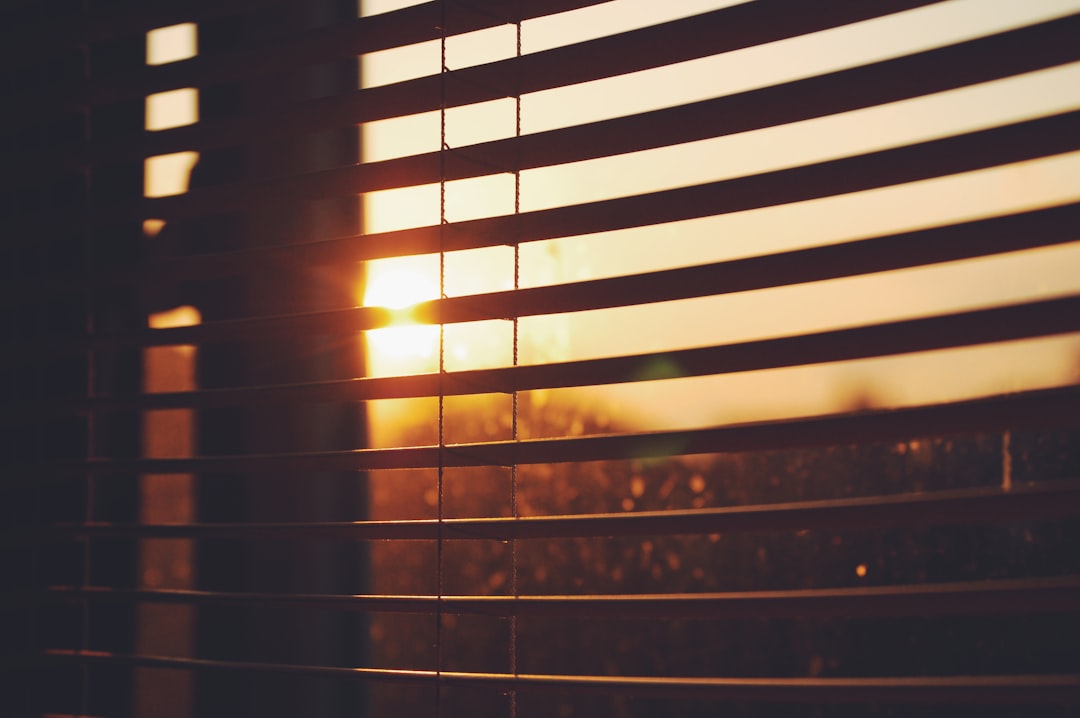
Venetian blind sophistication: precise control. Venetian blinds, which are distinguished by their horizontal slats, provide a very different method of window control. Roller blinds cannot match the subtle control over light & privacy that this design offers. Because these slats can be tilted, you can either create a diffused light effect or direct sunlight to reduce glare while still illuminating a space. They are therefore a refined option for people who appreciate adaptability and a more aesthetically pleasing design. Options for Design & Material.
The recognizable Venetian blind slats come in a range of materials, each with unique aesthetics and functionalities that are appropriate for a Singaporean home. Aluminum Venetian Blinds: Ideal for high-humidity spaces like bathrooms & kitchens, aluminum blinds are lightweight, strong, & moisture-resistant. Also, they don’t fade or stain as easily. For balconies or windows facing busy streets, aluminum slats may be a consideration because they can get bent or dented and make a rattling noise in windy conditions. Wood & Wood-Effect Blinds: Real wood or premium wood-effect (faux wood) blinds are popular for a cozier, more organic look.
High humidity can cause real wood to warp, so it needs to be maintained carefully. Faux wood blinds are a popular option in Singapore because they provide the aesthetic appeal of wood with increased moisture resistance. They are frequently made of PVC or composite materials.
In this climate, they are far more resilient than real wood. PVC Venetian Blinds: Perfect for kitchens and bathrooms, these blinds are an affordable and extremely moisture-resistant option. Nevertheless, PVC can occasionally look less expensive than wood-effect or aluminum substitutes, and some inferior PVC can eventually discolor or break in direct, long-term sunlight. Precise Control of Light and Privacy. The exact control that Venetian blinds provide over ventilation and light is their distinguishing characteristic.
Angled Slats: The slats can be tilted to change the incoming light’s intensity and direction. This is a great way to brighten computer screens, keep furniture from fading in direct sunlight, or just make the space feel cozier. The slats can be angled downward to direct light towards the floor or upward to bounce light off the ceiling for indirect illumination.
Venetian blinds can provide a considerable amount of privacy during the day, even when they are tilted to let in light. You can still connect to the outside world by adjusting the slats to block out the outside view. For living rooms or bedrooms where you wish to control privacy without completely darkening the space, this feature is especially helpful. Ventilation: By allowing natural airflow, which is crucial in Singapore’s warm climate, the slats can be opened without sacrificing privacy.
All-or-Nothing Closure: Venetian blinds offer a good degree of privacy & light blockage when fully closed, but there may be some slight light leakage between the slats, particularly in manual systems, in contrast to a true blockout roller blind. Both aesthetics and installation. In contrast to roller blinds’ subtle presence, Venetian blinds lend themselves to a more structured and architectural appearance. Architectural Feel: A room can feel more refined and orderly with the simple horizontal lines of Venetian blinds.
Both traditional and modern interior design styles complement them well. Installing Venetian blinds in a window recess is frequently the best option. By doing this, the slats can be positioned near the glass, optimizing the window frame’s functional depth & giving it a clean, integrated look. Modern apartments and BTOs benefit greatly from this method for establishing a clean line. Noise Potential: Because aluminum blinds can occasionally rattle in breezes, they might be a good option for windows facing west or balconies that get a lot of afternoon wind. Integration with Smart Homes: Venetian blinds with motors are also available, providing the ease of automation & remote control.
Programing particular tilt angles for various times of the day can improve comfort & energy efficiency even more. The price and upkeep. Venetian blinds are more functional, but they are usually more expensive & require more upkeep. Greater Investment: Typically costing between $150 and $180 per square meter, Venetian blinds are more expensive than roller blinds. Depending on the material selected, the price can vary greatly, with PVC being the least expensive and real wood being the most expensive.
Complex Cleaning: Venetian blinds take more work to maintain. Dusting and wiping can take a long time because of the many slats. This task can be made easier with specialized cleaning equipment, like slotted dusters, but it still requires more work than cleaning a single piece of cloth.
Frequent cleaning is necessary to avoid dust buildup & possible mildew in humid environments like Singapore. Durability & Potential for Damage: Venetian blinds have weak spots, despite their overall durability. When one slat in a set breaks, it may be necessary to replace the entire blind, particularly if it is hard to find compatible replacement parts. There is a greater chance of damage in homes with small children or pets because slats are more likely to bend, break, or be handled. Aluminum blinds are especially prone to buckling.
Room-Based Suggestions for Singaporean Residences. The particular purpose and needs of every room in your house will often determine whether you choose roller or venetian blinds. Dining rooms and living areas. When equipped with sunscreen fabrics, roller blinds are a great option for a minimalist look that reduces glare without sacrificing light. When raised, they provide unhindered views, making them a useful choice for large windows or sliding doors.
The strong afternoon sun that Singapore experiences can be effectively managed with Venetian blinds. For televisions or other reflective surfaces, you can tilt the slats to lessen glare. These essential entertaining areas gain a sophisticated touch from their more ornamental & adjustable lighting effect. They are also useful for creating privacy during the day without totally darkening the space.
bedrooms. Roller Blinds: Blockout roller blinds are the best option if total darkness is essential for a restful night’s sleep. Compared to venetian blinds, they provide a more reliable & comprehensive blackout effect. During the day, privacy & ambient light control can be achieved with Venetian blinds.
They might not be as good as a dedicated blockout roller blind, though, for creating complete darkness for sleeping because some light can still pass through the slats. Bathrooms and kitchens. Moisture-Resistant Fabric Roller Blinds: Choose roller blinds composed of materials that are especially made to resist moisture and frequent cleaning. For simple light control and privacy, these are a good choice.
Aluminum or faux wood venetian blinds are highly recommended for Singaporean kitchens and bathrooms because of their superior steam and moisture resistance and ease of cleaning. They provide fine control over ventilation and light, which is advantageous in these practical areas. Venetian blinds made of aluminum or imitation wood are less likely to warp or develop mildew than real wood in similar conditions. outdoor spaces and balconies. External roller blinds, also known as zip blinds or external blinds, are a sturdy way to block out the sun and rain on balconies. They offer a strong protection from heat and UV rays and are made to endure the elements.
Aluminum Venetian blinds: Although not strictly outdoor blinds, aluminum Venetian blinds can provide some sun control when placed on enclosed balconies or alfresco areas. However, they may need more frequent maintenance and are more vulnerable to damage from strong winds. Climate factors include UV protection, humidity, and heat. Window treatments face particular difficulties in Singapore’s tropical climate.
Strong UV rays, high humidity, and extreme heat make careful material selection and functional considerations necessary. Heat Management: Venetian and roller blinds are both effective at reducing heat gain. In order to keep solar heat out of the house, blockout roller blinds and heavier materials for both types of blinds serve as an insulating layer. Certain roller blinds with reflective backing can further improve their ability to reduce heat.
The feeling of heat can also be considerably decreased with Venetian blinds, which let you direct sunlight away from interior surfaces. Humidity & the Prevention of Mold: In Singapore, humidity is a constant. Fabrics that dry quickly & are easy to clean are ideal for roller blinds. Moisture-resistant materials such as aluminum and faux wood are essential for Venetian blinds, particularly in bathrooms, kitchens, and enclosed balconies, to stop the growth of mold and mildew and damage to the slats.
For all kinds of blinds, it is crucial to clean them frequently & make sure they are dry. UV Protection: Furniture, carpets, and artwork may fade due to the unrelenting sun. In order to prevent fading, many of the fabrics used for roller blinds are treated with UV inhibitors. Lighter hues and materials, such as aluminum, are typically less likely to fade noticeably than some plastics or natural wood for Venetian blinds.
Venetian blinds’ ability to block sunlight also aids in shielding interior spaces from UV rays. Durability & Lifespan in the Singapore Context. A number of variables will affect how long your selected window treatments last, including the materials’ quality, how often they are used, the environment in which they are installed, and—most importantly—how well they are maintained. Roller blinds (general lifespan: 5–10 years): Roller blinds are generally sturdy, particularly those with durable fabrics and high-quality mechanisms.
The rolling mechanism and the fabric itself—fading and tearing—are the primary areas of wear. They can endure for many years in Singapore’s climate if they are cleaned frequently and operated gently. Although motorized versions are usually made to last, the motor may have a slightly shorter lifespan. Venetian blinds (general lifespan: 5 to 15+ years): Depending on the material, Venetian blind lifespans can vary greatly. Although they can be bent or dented, aluminum blinds are incredibly resilient to the weather.
In Singapore, faux wood blinds are very resistant to wear & moisture and can endure for ten years or longer with few problems. In Singapore’s humid climate, real wood blinds are more prone to warping and will not last as long unless they are properly sealed and maintained. All Venetian blinds have potential wear points in the tilt mechanisms and cords. The secret to extending the life of Singapore’s roller and Venetian blinds is careful upkeep, especially when it comes to humidity and routine cleaning to avoid dust accumulation & possible mildew.
Their longevity will also be influenced by proper installation that takes into consideration elements like wind & direct sunlight exposure. Integration of Smart Homes and Motorization. How we use our living areas is changing as a result of the smart home trend, and window treatments are no different. Both Venetian and roller blinds can be motorized, giving Singaporean homeowners more functionality & convenience.
The basic up-and-down function is operated smoothly by motorized roller blinds. Voice control, remote access, and scheduled opening and closing are all possible with their integration with smart home systems. This is especially helpful for creating automated routines, like the blinds softly opening at sunrise, or for windows that are difficult to reach. Venetian blinds with motorization: A further advantage of motorization for Venetian blinds is the ability to regulate the tilt angle of the slats in addition to their position. This enables extremely complex automation, like designing blinds to track the path of the sun, which maximizes natural light and reduces glare all day long.
Energy efficiency and thermal comfort can be greatly enhanced by this degree of exact control. Investing in motorized blinds also supports the broader smart home ecosystem by enabling centralized control over privacy, temperature, and lighting, all of which can be controlled via a single app or voice assistant. Modern Singaporean homeowners’ preferences are becoming more and more in line with this advanced approach to house management.
.
FAQs
What are the main differences between roller blinds and venetian blinds?
Roller blinds consist of a single piece of fabric that rolls up and down, while venetian blinds are made of horizontal slats that can be tilted to control light and privacy.
Which type of blind offers better light control?
Venetian blinds provide more precise light control because their slats can be adjusted to various angles, whereas roller blinds typically offer either full coverage or full exposure when rolled up or down.
Are roller blinds or venetian blinds easier to clean?
Roller blinds are generally easier to clean since they have a smooth fabric surface, while venetian blinds require cleaning each individual slat, which can be more time-consuming.
Which blinds are more suitable for moisture-prone areas like bathrooms?
Venetian blinds made from materials like aluminum or PVC are more suitable for moisture-prone areas, as they resist water damage better than fabric roller blinds.
Do roller blinds or venetian blinds offer better insulation?
Roller blinds with thicker or thermal fabrics can provide better insulation by reducing heat loss, whereas venetian blinds offer moderate insulation depending on the material and how tightly the slats close.