Whether in an HDB apartment, a condominium, or a landed property with raised living areas, windows in Singapore’s high-rise residences are more than just windows to the outside world. These canvases are essential to the atmosphere of a living room because they frame the distinct urban landscape. By controlling sunlight, improving privacy, and adding to the overall aesthetic, the appropriate curtains can turn a practical area into a haven.
The choice of window treatments becomes even more important in a tropical climate like Singapore’s, where heat and humidity are constant factors. This article explores various curtain ideas specifically tailored for living rooms in high-rise residences, considering factors such as light control, insulation, privacy, and the practicalities of Singaporean living. High-rise living frequently has distinctive architectural elements, such as large windows that occasionally reach the ceiling and the need to maximize available space. The objective is to control Singapore’s abundant natural light, which can otherwise result in excessive heat, and to give the impression of even more space. The pinnacle of elegance are floor-to-ceiling curtains.
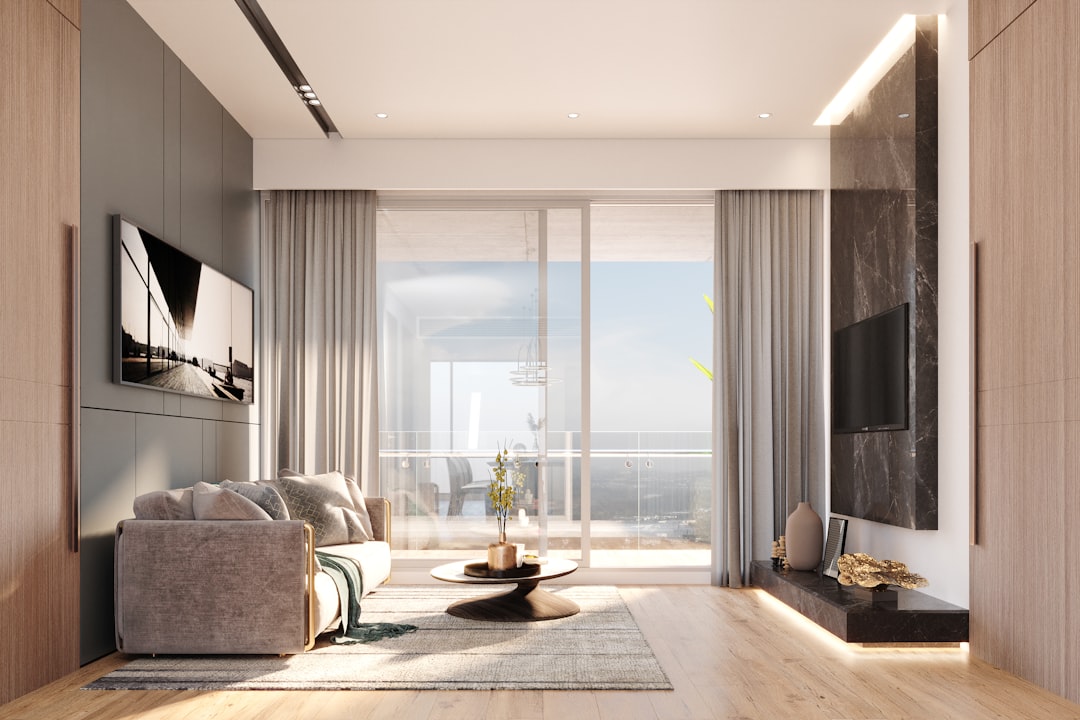
Floor-to-ceiling curtains, a popular trend for 2026, are a great option for high-rise living rooms, especially those with tall windows or high ceilings, which are frequently present in contemporary condos and landed homes. These curtains extend from the curtain rod or track directly down to the floor, creating a seamless vertical line that draws the eye upwards. In high-rise apartments where maximizing available space is crucial, this visual elongation is priceless. They immediately raise the room’s level of sophistication by adding an air of grandeur that is evocative of a high-end hotel. For floor-to-ceiling curtains to have an aesthetically pleasing and practical effect, they must be full. Using fabric with a fullness of two to two-and-a-half times the window’s width is generally advised.
This enables a rich, opulent drape when the curtains are closed & ample pleating. Fabrics like linen, sheer blends, or even velvet can be used to achieve this effect. While sheer blends can offer a gentle diffusion of light, linen provides a natural, airy feel that goes well with contemporary interiors. Conversely, velvet can improve sound insulation and add a hint of luxury, making it a good option for establishing a comfortable ambiance in the middle of the city. Beyond just aesthetics, floor-to-ceiling curtains have an impact. By covering the entire window expanse, they provide a more complete barrier against external light & heat when drawn.
In Singapore, where the sun can be very strong, this is especially helpful. A layer of air is trapped between the window & the room by the sheer volume of the fabric, providing a mild insulating effect that can help create a more comfortable interior temperature & possibly lessen the need for air conditioning. Layered Designs: Variability in Privacy and Light. For living rooms in high-rise buildings, layered curtain designs—which combine two or more types of window treatments—offer unmatched versatility.
| Idea | Material | Light Control | Privacy Level | Maintenance | Style Suitability |
|---|---|---|---|---|---|
| Sheer Curtains | Lightweight Polyester or Linen | Soft Diffused Light | Low | Easy to Wash | Modern, Minimalist |
| Blackout Curtains | Thick Cotton or Velvet | Complete Light Block | High | Moderate Cleaning | Contemporary, Classic |
| Layered Curtains (Sheer + Opaque) | Combination of Sheer and Heavy Fabrics | Adjustable | Adjustable | Moderate | Versatile |
| Floor-to-Ceiling Curtains | Silk, Linen, or Velvet | Varies by Fabric | High | Requires Professional Cleaning | Elegant, Luxurious |
| Motorized Curtains | Various Fabrics | Customizable | Customizable | Low Maintenance | High-Tech, Modern |
| Roman Blinds | Cotton, Linen, or Synthetic Blends | Moderate | Moderate | Easy to Clean | Casual, Contemporary |
A popular and effective combination involves pairing sheer curtains with semi-blackout or heavier drapes. With this method, natural light and privacy can be sophisticatedly managed all day long. Sheer curtains, which are usually composed of translucent materials, work well to soften glare, diffuse harsh sunlight, and provide a soft, ambient light for the space. By blocking out direct views from the outside while letting light in, they can offer some privacy during the day.
To adjust the amount of light that enters the living area, these can be independently left open or closed. Beneath or in front of the sheers, semi-blackout or heavier drapes can be installed. These are designed to block a significant portion of light when needed, effectively reducing glare during movie screenings, preventing direct sun exposure on furniture, or enhancing privacy during the evening.
While blackout curtains offer almost total darkness, semi-blackout curtains provide a balance by letting in some natural light. The choice between these depends on the specific needs of the living room – perhaps a vibrant living space that needs dimming for entertainment versus a more subdued reading nook. Also, the layering technique significantly enhances the aesthetics.
It breaks up the monotony of a single fabric & adds a luxurious feel by adding depth and visual interest. For instance, combining richer, darker panels of charcoal or navy with airy, neutral ivory or beige sheers can produce a dramatic contrast and an air of refined drama. This layering also contributes to thermal insulation; the combination of fabrics creates more air pockets, which can help to mitigate heat transfer from the windows. In Singapore’s climate, this can be a subtle yet effective way to maintain a cooler interior.
The Art of the Fold: Pleating Styles and Their Impact. Curtains’ overall appearance & functionality are greatly influenced by their pleating, which goes beyond the fabric and length. Different pleating techniques complement various decor styles and provide distinct visual effects. Pinch Pleats (or French Pleats): These are a classic choice, creating neat, tailored folds that radiate from the top of the curtain.
They offer a formal & elegant look, often used with heavier fabrics to maintain their shape. Pinch pleats require specific tracking & are ideal for achieving the sophisticated, structured appearance that many high-rise residents seek. A living room can feel more organized thanks to the pleats’ precise definition. Goblet Pleats: A more ornamental choice, goblet pleats are created by gathering the fabric at the top into a goblet-like cup shape.
This style adds a touch of opulence and is best suited for grander living spaces and luxurious fabrics. They are a statement within a statement, drawing attention to the window treatment. Rod pocket/grommet curtains: These provide a more laid-back, modern appearance. Rod pocket curtains have a sewn-in channel at the top through which a curtain rod is threaded, creating soft gathers.
Grommet curtains feature metal rings inserted into fabric, allowing them to be easily slid along a rod, creating a modern, pleated effect. These are simpler to install & operate, fitting well with a more casual, yet stylish, high-rise interior. The ease of movement along the rod is particularly beneficial for larger windows often found in apartments. The pleating option also affects the amount of fabric required & how curtains hang. In order to achieve the desired look, more complex pleats might need a little bit more fabric, which would affect the total cost. Nonetheless, the sophisticated visual result frequently makes the investment worthwhile, adding to the living room’s polished and deliberate design.
Neutral curtain color schemes provide a sophisticated foundation in the context of high-rise living, where the urban landscape frequently serves as the visual backdrop. They allow the external view to remain a focal point without clashing, while also creating a sense of calm and spaciousness within the apartment. Timeless Neutrals: Off-White, Beige, Taupe, and Light Gray. Off-white, beige, taupe, and light gray are examples of neutral color schemes that are frequently used in interior design. They are particularly well-suited for curtain applications in modern high-rise living rooms. These hues are timeless, which means they don’t go out of style easily and offer a flexible background for changing interior design.
In high-rise apartments, especially those with potentially smaller or darker rooms, neutral curtains work to enhance the perception of space and light. Natural light can be reflected by off-white and light beige, giving the impression that a room is larger and more airy. A combination of gray and brown, taupe provides a more earthy, warmer neutral that can be comforting. Light gray, with its cool undertones, brings a modern and serene quality to a space. The use of these neutral tones avoids visual clutter. Heavy patterns or overly vibrant colours can sometimes make a room feel smaller or more chaotic, which is precisely what one aims to avoid when dealing with urban living spaces.
Rather, neutral curtains create a peaceful haven above the busy city by giving the impression of larger spaces and higher ceilings. Neutral curtains also have the important benefit of being versatile. They complement a variety of furniture designs and accent colors with ease. Neutral curtains will harmonize and serve as a unifying element in the living room’s design, regardless of the homeowner’s preference for bright, colorful accents or a more muted, monochromatic scheme. This allows for flexibility in redecorating or updating other elements of the room over time. Textured Neutrals: Adding Tactile Appeal and Depth.
While solid neutral colours offer a clean & sophisticated base, incorporating textures can elevate the design from simple to luxurious. Textured fabrics add a subtle layer of visual interest & tactile appeal, preventing neutral choices from feeling flat or uninspired. Woven Linen: Natural linen, with its characteristic slubs and uneven weave, provides a beautiful organic texture. It drapes elegantly and has a breathability that is advantageous in Singapore’s climate.
Linen curtains in neutral tones lend a relaxed yet refined aesthetic, fitting well with contemporary, Scandinavian, or minimalist interior styles common in high-rise residences. Linen’s texture aids in the soft diffusion of light, producing a calming atmosphere. Crushed Velvet: Neutral-colored crushed velvet can be a great option for a hint of extravagance and a richer feel. A subtle shimmer & depth are produced by the way light interacts with the diverse pile of crushed velvet. In off-white or light grey, it can add instant glamour without being overwhelming, providing a cozy & inviting feel to the living room.
Velvet also offers good sound-dampening properties, which can be beneficial in a city environment. Embroidered Cotton: Subtle embroidery using complementary neutral threads can improve cotton textiles. These embroidered details, which could be delicate floral motifs or geometric patterns, offer a hint of artisanal craftsmanship and visual interest. Without adding vibrant colors or patterns that might upset the calm neutral color scheme, the embroidery adds a tactile component and a focal point.
When selecting textured neutral fabrics, consider how the texture will interplay with the lighting in your living room. Some textures may absorb light more than others, while some will reflect it, creating highlights and shadows. Adding depth & visual richness will improve the living area’s overall sensory experience.
When choosing curtains for a living room, especially in high-rise buildings, Singapore’s tropical climate presents unique challenges. Intense sunlight, heat, & humidity are constant elements that affect not only comfort but also the durability of textiles & the performance of window treatments. Managing Heat and Sun Exposure. The relentless sun in Singapore can significantly heat up living rooms. It is crucial to select curtains with good solar control qualities.
Tighter-woven and denser fabrics tend to reflect more solar radiation away from the window, keeping it out of the room and raising the temperature inside. Lined Curtains: To improve their resistance to heat and sunlight, many curtains can be lined. A standard lining adds a layer of fabric that can help to:. Reflect Sunlight: A large amount of solar heat can be reflected by a lighter-colored lining, especially on the side that faces the window.
Reduce Fading: The lining acts as a barrier, protecting the main decorative fabric from direct UV exposure, which can cause colours to fade over time. Provide Insulation: Two layers of fabric, separated by a small air gap, offer a degree of thermal insulation, helping to keep the room cooler. Specific Fabric Properties: Certain fabric types are naturally better at managing heat. Better insulation & light blocking are provided by denser weaves, such as those found in heavier linens, cottons, or some synthetic blends.
While blackout curtains are the ultimate in light & heat blocking, they might not always be the desired aesthetic for a living room. A good middle ground can be offered by semi-blackout options or materials with built-in thermal qualities. Consider the direction your living room windows face. High solar reflectivity and density curtains will be most beneficial for windows that receive direct afternoon sunlight, which are usually west-facing. Similar considerations apply to windows facing east, where the morning sun can be very strong.
Understanding the sun’s path across your apartment will help you prioritise where the most robust heat-managing curtains are needed. Humidity and Maintenance. Singapore’s high humidity levels can have an impact on different kinds of fabrics and the general maintenance of your living room décor. When exposed to moisture on a regular basis, some materials are more prone to mold, mildew, and musty odors.
Fabric Choice: Natural fibres like cotton and linen are breathable, which is wonderful for air circulation. However, in very humid conditions, they can absorb moisture & take longer to dry, potentially leading to issues if not properly maintained. Synthetic blends, or fabrics treated with anti-microbial agents, can offer a more resilient solution against humidity-related problems. Ventilation: Even with the right curtains, good ventilation is crucial for managing humidity. Make sure your high-rise apartment has enough air circulation, whether it’s through fans, air conditioning systems, or open windows (when it’s not raining or the sun isn’t too hot).
This will lessen the strain on your curtains and help to keep the air in the living room drier. Cleaning and Maintenance: Easy maintenance should be a top priority for living rooms in high-rise buildings. Washable Fabrics: Opting for curtains that are machine washable or easily cleaned can save significant cost & effort in the long run. Check the care labels diligently before purchasing.
Dust and Allergen Resistance: In urban environments, dust and allergens can accumulate quickly. It is advantageous to use fabrics that are easier to vacuum or wipe down, or that are less likely to trap dust. Some synthetic fabrics have inherent anti-static properties, making them less attractive to dust particles. Regular Vacuuming: Periodically vacuuming your curtains with an upholstery attachment can help remove dust & debris, preventing it from becoming ingrained into the fabric and impacting its appearance or potential for mildew growth. The lifespan of curtains can be significantly influenced by these climate factors.
Even in Singapore’s harsh tropical climate, your living room curtains can continue to be a lovely and useful asset for many years with careful selection & upkeep. Although living rooms are the main focus of this article, knowing how curtains work in particular high-rise apartment spaces can help with more general decisions. In a living room, the curtains need to balance aesthetics with utility, adapting to various activities from entertaining guests to quiet relaxation. The Multi-functional Living Space. The most utilized and adaptable room in an apartment is frequently the high-rise living room.
It must have several uses, such as being a friendly space for visitors, a place for family get-togethers, a place to unwind, and occasionally even a home office or entertainment center. This room requires flexible curtains. Entertaining: The curtains should improve the atmosphere when entertaining.
They can be drawn to soften harsh sunlight, creating a more comfortable & inviting atmosphere. Sheers can be used to preserve the view while lowering glare if it is an important feature. They aid in fostering a feeling of closeness and coziness for evening events. Relaxation and Entertainment: Light control is crucial when watching television or reading. Here, semi-blackout or blackout curtains are helpful in reducing screen glare and fostering a more concentrated atmosphere.
The ideal balance can be achieved with layered curtains: heavier panels for times when darkness is preferred, and sheers for ambient daylight. Daytime Comfort: The living room can be used for work or just to take in the natural light during the day. Curtains can be adjusted to let in as much daylight as desired while reducing heat and UV rays that can harm interior decor and furniture. Balcony Windows & Doors: Connecting the Inside and Outside. Many high-rise homes in Singapore feature balconies or large sliding glass doors that lead to outdoor spaces.
These areas often present unique challenges and opportunities for curtain solutions. Balcony Doors: Heat gain from these glass doors can be substantial. Curtains for balcony doors should prioritize insulation and UV protection. It is advised to use lined, thicker textiles.
Options like heavy drapes, or even specialised outdoor blinds that can be retracted, are useful for managing the tropical sun when the balcony is not in use. Opaque fabrics or blinds are perfect if you’re worried about privacy from nearby units. Balcony Windows: Adjacent windows to balcony doors can be treated with complementary curtains. Use a similar style or the same fabric to create a unified look. If the balcony itself is covered by blinds, curtains on the adjoining windows can be designed to either match or contrast subtly, adding depth.
The key is to ensure a seamless transition in terms of style and functionality. The window treatments should show that the balcony is meant to be an extension of the living area. For example, soft, flowing curtains can maintain the airy feel of a room even near a balcony. While fabric curtains offer softness and visual appeal, blinds provide a different approach to light & privacy control, with Venetian blinds being a long-standing favourite in interior design.
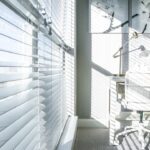
The Anatomy and Function of Venetian Blinds. Venetian blinds are characterised by their horizontal slats, typically made from materials such as aluminium, wood, or faux wood. The amount & direction of light that enters a space can be precisely controlled by tilting these slats to different angles.
To fully open or close the window, they can also be raised or lowered. Light and Privacy Control: The main benefit of Venetian blinds is the ability to tilt the slats. This allows occupants to block direct sunlight while still permitting diffused light to enter, or to direct light upwards towards the ceiling, minimizing glare on surfaces. When fully closed, they offer a high level of privacy.
Because of this, they are a sensible option for living rooms where different lighting and privacy conditions are required throughout the day. Material Selections. Venetian blinds made of aluminum are affordable, strong, and lightweight. They are not the best choice for continuous exposure to direct rain, but they are a good choice for places where humidity might be an issue because of their resistance to moisture. Their sleek appearance fits well with modern interiors.
Wood Venetian Blinds: Real wood blinds are aesthetically pleasing & naturally warm. They offer good insulation, but unless they are treated or sealed, they can warp in high humidity, which makes them less suitable for extremely damp environments. They can be more costly and heavier as well. Faux Wood Venetian Blinds: Made of composite materials, these blinds are intended to resemble real wood.
They are typically less expensive than real wood, have outstanding durability, and are resistant to heat and moisture. This makes them a highly practical choice for Singapore’s climate, offering the aesthetic of wood with superior resilience. Aesthetic Versatility: Venetian blinds come in a wide array of colours, from classic whites and beiges to bolder hues, allowing them to complement various interior design themes. Any living room can benefit from their simple, linear style.
Maintenance: Cleaning Venetian blinds is not too difficult. Dust can be wiped off with a dry cloth or a damp sponge. A mild detergent can be used for more tenacious dirt. Their individual slats make them accessible for thorough cleaning when needed. Venetian blinds are advantageous.
precise control over light and privacy. robust and long-lasting, particularly aluminum & faux wood options. Easy to clean and maintain. Modern & classic aesthetic appeal.
When slats are properly adjusted, they have good thermal insulation properties. Venetian blinds have drawbacks. can cause dust to build up on the slats.
May create a slightly more formal or utilitarian look compared to soft fabric curtains. Raising & lowering large blinds can be cumbersome without motorised options. Humidity can have an impact on wood varieties.
Venetian Blinds in High-Rise Living Rooms. Venetian blinds are a useful tool for controlling the strong Singaporean sun in a high-rise living room & giving residents fine-grained control over their interior space. An uncomfortably bright room can be made usable and comfortable for rooms facing west by tilting the slats to block direct sunlight while still allowing ambient light. Venetian blinds’ simple lines can go well with modern or minimalist aesthetics, which are frequently preferred in high-rise apartments. They can be paired with sheer drapes for added softness & a layered look if a purely blind-focused treatment feels too stark.
Without the upkeep issues associated with real wood, the faux wood varieties in particular provide a robust and aesthetically pleasing solution for Singapore’s heat and humidity. Convenience and technology are becoming more and more incorporated into modern high-rise living. In this sense, motorized curtains and blinds, which offer simple operation and a hint of contemporary luxury, mark a substantial advancement.
Motorization’s advantages. Motorised window treatments eliminate the need for manual pulling of cords or rods. Rather, a smartphone app, a remote control, or even an integrated smart home system are used to operate them. In high-rise apartments, where windows may be big, tall, or challenging to access, this is especially helpful. Convenience and Accessibility: For individuals with mobility challenges, or simply for those who appreciate ease of use, motorised curtains and blinds are a game-changer. Imagine adjusting the light to create the perfect ambiance for movie night with the simple press of a button, or scheduling curtains to automatically open in the morning and close at dusk.
The smooth functioning greatly improves the quality of life. Energy Efficiency: Motorized treatments can be set up to run on a schedule or even react to outside circumstances (e.g. A g. automatically shutting when the sun is at its strongest). This can help to manage heat gain more effectively, leading to reduced reliance on air conditioning and potential savings on energy bills.
In Singapore, where cooling costs can be substantial, this is a notable benefit. Enhanced Security: When programmed to open and close at set times, even when residents are away, motorised curtains can give the impression that the home is occupied, thereby enhancing security. This is a valuable feature for frequent travellers or those concerned about home security. Aesthetic Integration: The installation of motorized systems is frequently smooth and inconspicuous.
In order to preserve a simple and uncluttered appearance, the motors are usually concealed within the curtain rod or blind headrail. This aligns perfectly with the sophisticated design sensibilities often sought in high-rise living. Motorised Curtains: Beyond Simple Operation. A sophisticated method of controlling light and privacy, motorized curtains give a living room a high-end appearance. Automating the opening and closing of draped fabrics offers both practicality and visual appeal.
Applications in High-Rise Living:. Floor-to-Ceiling Curtains: For floor-to-ceiling curtains, which can be quite heavy and lengthy, a motorised system takes the effort out of operation. Residents can now fully enjoy the striking visual impact of these curtains without experiencing any physical strain. Large Windows: In living rooms with large windows, which are frequently a feature of contemporary high-rise apartments, motorized curtains guarantee that privacy and light can be easily changed. Layered Systems: To create a dynamic light and privacy environment, motorization can be applied to both sheer and heavier curtain layers, enabling either independent or synchronized operation. Motorized curtains have advantages.
The most convenient and simple to use. Perfect for large or difficult-to-reach windows. Programmable for automated operation, enhancing energy efficiency & security. adds a hint of contemporary elegance and sophistication.
minimizes fabric deterioration when compared to continuous manual handling. Cons of Motorised Curtains:. Higher initial cost compared to manual systems. needs a power source, either wired or battery-powered. Although uncommon with high-quality systems, there is a chance of mechanical failure.
It might need to be installed by a professional. For any high-rise homeowner wishing to add style and clever functionality to their living room, motorized curtains are an innovative option. They represent an investment in convenience & modern living. Motorised Blinds: Precision at your Fingertips.
Motorized blinds provide the same degree of convenience and technological sophistication for controlling natural light as motorized curtains. Benefits for Living Rooms:. Precise Light Control: For instance, motorized Venetian blinds can be set to open and close at precise angles, guaranteeing accurate light control all day long. This is invaluable for creating the perfect atmosphere for work, relaxation, or entertainment.
Integration with Smart Home Systems: Motorised blinds can be seamlessly integrated into broader smart home ecosystems, allowing for voice control or automated adjustments based on time of day, weather, or other programmed scenarios. Safety: Removing the dangling cords that come with manual blinds improves safety in homes with small children or pets. Motorized blinds have advantages. Easy to use, particularly for several window treatments. precise management of privacy and light.
able to be set up for automated functioning. Enhances home security. No dangling cords, improving safety. Cons of Motorised Blinds:.
Higher cost than manual blinds. Requires power supply. Mechanical problems are possible. May require professional installation for optimal setup. The living room’s intended aesthetic and functional needs will determine whether motorized curtains, blinds, or a combination of the two are used.
Both offer a significant upgrade in terms of convenience and modern living, making them excellent considerations for any high-rise homeowner in Singapore. Curtains are much more than just window coverings in the high-rise lifestyle of Singapore. They are integral design elements that significantly impact the comfort, functionality, and aesthetic appeal of a living room. There are many options available, ranging from the dramatic elegance of floor-to-ceiling drapes to the precise control provided by Venetian blinds and the unmatched convenience of motorized systems.
When selecting curtains for your high-rise living room, consider the unique climate of Singapore – the pervasive heat, humidity, & intense sunlight. Give top priority to materials & features that provide effective solar control, are moisture-resistant, & require little upkeep. Whether you are residing in an HDB flat, a condominium, or a landed property with elevated living spaces, the thoughtful selection of curtains can transform your living room into a sanctuary that is both beautiful and practical, a true reflection of modern Singaporean living.
. Neutral palettes, layered designs, and textured fabrics can all contribute to creating a sophisticated and inviting space that maximises natural light while ensuring privacy and comfort.
FAQs
1. What types of curtains are best suited for high-rise living rooms?
For high-rise living rooms, lightweight and sheer curtains are often preferred as they allow natural light to enter while maintaining privacy. Additionally, floor-to-ceiling curtains can enhance the sense of height and space in the room.
2. How can curtains help with privacy in high-rise apartments?
Curtains made from thicker fabrics or layered with blackout liners can provide privacy from neighboring buildings. Sheer curtains can be used during the day to diffuse light while still obscuring the view from outside.
3. What colors and patterns work well for curtains in high-rise living rooms?
Neutral colors like white, beige, or gray are popular as they complement various interior styles and help reflect natural light. Bold patterns or vibrant colors can be used as accent pieces to add personality without overwhelming the space.
4. Are motorized curtains a good option for high-rise homes?
Yes, motorized curtains are convenient for high-rise homes, especially for windows that are hard to reach. They offer ease of use, can be programmed for specific times, and enhance safety by eliminating the need for cords.
5. How can curtains contribute to energy efficiency in high-rise apartments?
Thermal or insulated curtains can help regulate indoor temperatures by reducing heat loss in winter and blocking heat in summer. This can lead to lower energy bills and increased comfort in high-rise living rooms.