The tropical climate of Singapore, which is marked by constant sunshine and high humidity, poses special difficulties for homeowners looking to design cozy and beautiful living areas. In addition to controlling solar heat gain and preserving privacy, window treatments need to be able to withstand the air’s constant moisture. Venetian blinds provide a flexible solution that can be tailored to these particular requirements thanks to their adjustable slats. This article investigates whether Venetian blinds are appropriate for Singaporean homes, looking at their composition, functionality, & use in a variety of housing types, including landed properties & HDB apartments. The name “Venetian blinds” comes from the fact that they were created centuries ago in Venice, Italy, to protect interior spaces from the intense sun while still allowing for ventilation.
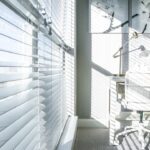
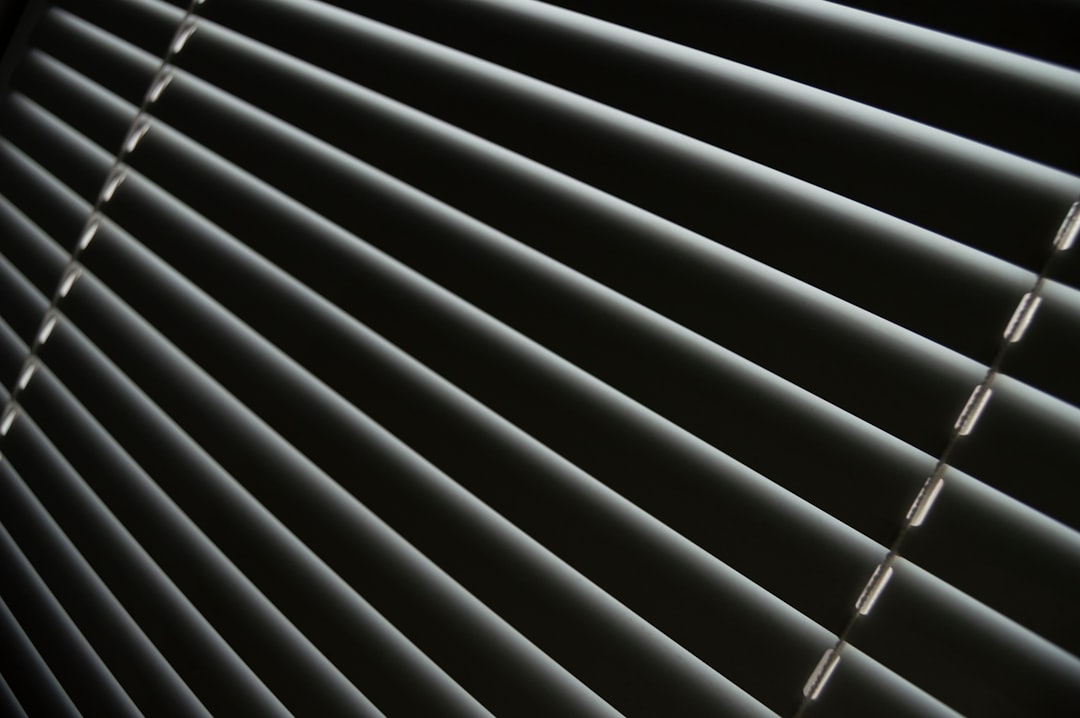
Their enduring appeal stems from their basic design, which consists of horizontal slats suspended by cords or tapes. Knowing how light and privacy are controlled. The ability of Venetian blinds to precisely regulate the amount of privacy and light intrusion is their distinguishing characteristic. Homeowners can completely block sunlight or direct it upward or downward by tilting the slats with a wand or cord mechanism.
Because the sun’s intensity varies throughout the day in tropical climates, this fine control is especially useful. The slats can diffuse light and lessen glare without compromising ambient illumination when they are angled upward and deflect direct sunlight towards the ceiling. On the other hand, angling them downward can provide total obscurity when fully closed or direct light further into the space.
Because of this flexibility, residents can customize their window coverings to suit their immediate needs, whether it’s to guarantee total privacy after dusk, block the harsh afternoon sun for comfort, or enjoy natural light for reading. Enduring Design & Historical Context. Venetian blinds’ design has endured over time, demonstrating their innate usefulness. Modern manufacturing methods and material advancements have greatly improved their performance & appeal, even though the fundamental idea is still the same. Once a purely utilitarian item, it has developed into a sophisticated design element that can enhance a variety of interior aesthetics. In the context of Singaporean homes, their layered structure—each slat overlaps the one below when closed—creates a layered visual effect that can add depth and texture to a room, making a subtle but important aesthetic contribution.
The materials used have a significant impact on the durability & efficacy of Venetian blinds in Singapore. Despite its attractive appearance, traditional wood is prone to warping and deterioration in high humidity conditions. To overcome these constraints, contemporary substitutes have surfaced that provide improved performance & durability without sacrificing style. The popular option for contemporary homes is faux wood.
| Metric | Value | Unit | Notes |
|---|---|---|---|
| Average Solar Heat Gain Reduction | 45-60 | % | Depends on slat angle and material |
| Optimal Slat Angle for Heat Control | 30-45 | Degrees | Maximizes shading while allowing airflow |
| Material Durability in Humidity | High | Rating | Aluminum and PVC preferred over wood |
| Light Control Efficiency | 70-85 | % | Varies with slat width and angle |
| Maintenance Frequency | Every 3-6 | Months | Cleaning to prevent mold and corrosion |
| Airflow Improvement | 20-35 | % | Compared to fully closed blinds |
| UV Protection Level | 85-95 | % | Protects interiors from fading |
Venetian faux wood blinds have become increasingly popular as the perfect option for tropical climates, especially in 2026 trends. Although they are made of composite materials or premium PVC, these blinds are designed to resemble the rich, natural look of real wood. Because of this, they are incredibly resistant to moisture, which keeps natural wood from warping, cracking, or peeling in Singapore’s humid climate. The material is frequently infused with UV inhibitors during the manufacturing process to increase its resilience to the strong tropical sun.
Homeowners in HDBs, condos, and landed properties alike favor faux wood blinds because they provide the visual appeal of traditional wooden shutters at a more affordable price. Any room’s interior design can be enhanced by their elegant appearance. Vinyl Blinds: The Best Resistance to Moisture.
Another reliable choice is vinyl Venetian blinds, especially in places where moisture levels are constantly high. Vinyl’s natural qualities are especially useful in bathrooms, kitchens, and balconies—all common spaces in Singaporean homes that are frequently subjected to high humidity. Vinyl blinds are non-porous and easily cleaned, in contrast to fabric blinds that can absorb moisture and develop mold and offensive odors. They are therefore a sensible and hygienic option for high-moisture areas.
Even in difficult tropical conditions, their ability to withstand the elements guarantees that they will retain their structural integrity and aesthetic appeal over time. Aluminum blinds are durable & lightweight. Venetian blinds made of aluminum provide a strong and lightweight option. Because of their metal construction, they can withstand temperature changes and moisture, two common elements of Singapore’s climate. They also require less upkeep because they are less likely to gather dust than some other materials.
Their sleek appearance and practicality make them a good option for modern interiors, especially in commercial spaces or areas where a minimalist look is desired, even though they might not provide the same aesthetic warmth as wood or faux wood. On hot days, the cool metallic finish can also subtly regulate the room’s temperature. In Singapore, window treatments are primarily used to control the intense tropical sun and its heat, as well as the constant humidity. Venetian blinds provide a capable response to these environmental elements through their design & material selections.
reducing glare and heat gain from the sun. All year long, Singapore is subjected to intense solar radiation. When homes are exposed to direct sunlight, interior temperatures can rise dramatically, necessitating the use of air conditioning, which raises energy costs. Venetian blinds are essential for reducing this gain of solar heat.
Residents can change the slats to block direct sunlight. They can diffuse and lessen the direct intensity of the glare by reflecting sunlight off the ceiling when angled upward. The occupants will find this indirect light to be more comfortable and less hot. The best defense against heat intrusion during times of maximum sun exposure is to fully close the slats, which functions as an external shading device. Although they don’t provide as much insulation as thick, thermal blackout curtains, their capacity to control direct sunlight is a big plus in a tropical setting.
combating moisture and humidity. In Singapore, humidity is a constant problem that affects both comfort and how long household items last. Excessive humidity can make interiors feel clammy, promote the growth of mold and mildew, and cause condensation on windows. Venetian blinds have a clear advantage over fabric options, especially those composed of vinyl or faux wood.
These materials avoid the conditions that encourage mold and mildew because they are water-resistant & do not absorb moisture. Usually, regular cleaning with a moist cloth is enough to keep them hygienic. For Singaporean homeowners, this is a crucial factor since it lowers the chance of material deterioration over time and promotes a healthier indoor environment.
Moisture-resistant materials are crucial because outdoor blinds, particularly those made for balconies, have to deal with rain and sea mist. Security & privacy are improved. In addition to environmental management, privacy is a major concern for many Singaporeans, particularly in crowded areas like condos and HDB estates. Venetian blinds offer a versatile way to get the privacy you want. The slats’ ability to be angled lets light in while blocking outside views of the house.
Units on lower floors or those with windows facing common walkways will find this especially helpful. When completely closed, they provide total visual blockage, giving people a sense of security & tranquility, particularly at night. They are an adaptable option for different rooms in a house because of their dual functionality of light management and privacy control. Because of their adaptability, Venetian blinds can be used in a variety of Singaporean residential settings, including large landed properties and small HDB apartments. They are especially useful for outdoor spaces like balconies.
Optimizing Light and Space in HDB Flats and Condos. Venetian blinds are a great way to make the most of natural light & preserve an air of openness in HDB apartments and condos, where space is frequently at a premium. They can be set up in living rooms to ensure privacy at night & bright, diffused light during the day. Venetian blinds made of vinyl or faux wood are easy to clean, which is advantageous for kitchens that are frequently affected by steam and cooking odors.
The ability of bedrooms to block out the morning sun can be used to improve sleep quality. Specialized outdoor Venetian blinds are essential for balconies, which are becoming more and more extensions of living areas in contemporary condos. These are usually made of stronger materials, such as aluminum or faux wood that has been specially treated to withstand wind, rain, & direct sunlight, turning the balcony into a functional space for dining or relaxing that is protected from the weather. Landed Houses: Design & Use for Bigger Homes.
Even though landed properties in Singapore frequently provide larger living spaces, they still have to deal with the same climate issues. To efficiently control light and heat, venetian blinds can be installed across sliding doors and larger windows. They can offer an elegant architectural feature in formal living and dining spaces, enhancing a variety of interior design aesthetics.
Robust outdoor Venetian blinds can extend the usable living space of homes with large patios or outdoor spaces by creating comfortable, shaded zones. They are a good fit for the various architectural styles present in landed estates due to their adaptability to various window sizes and configurations. Balcony Solutions: Extending Outdoor Living Areas. In Singapore, balconies are essential outdoor retreats despite being directly exposed to the intense sun, rain, and humidity. Outdoor-specific Venetian blinds are a useful option.
These blinds, which are made of materials like durable faux wood, marine-grade PVC, or powder-coated aluminum, are weatherproof & offer much-needed shade and privacy. They enable homeowners to convert their balconies into cozy outdoor living areas that can be used for entertaining, unwinding, or even setting up a tiny workspace. Because the slats can be tilted to allow for airflow while blocking direct sunlight, the balcony can be used even in hot weather. Durability, ease of maintenance, and anticipated lifespan are important considerations when investing in window treatments for a tropical climate like Singapore. When the proper materials are selected, Venetian blinds provide a generally favorable profile in these areas.
Regular upkeep for longevity. Venetian blinds are generally easy to maintain in Singapore, which adds to their long-term viability. Dusting faux wood & vinyl blinds on a regular basis with a microfiber cloth or a vacuum cleaner attachment is enough to get rid of surface dust. Use a damp cloth for a more thorough cleaning, then a dry cloth to avoid water stains.
Steer clear of abrasive cleaning products as they may harm the finish. Cleaning aluminum blinds is comparable. The performance & aesthetic appeal of outdoor and balcony blinds can be maintained by periodically rinsing them with a hose and mild soap to get rid of environmental contaminants & salt spray. In Singapore’s coastal regions, where salt air can be corrosive, regular cleaning is crucial. Tropical Lifespan Expectations.
The material and level of exposure to the weather determine how long Venetian blinds last in Singapore. When installed indoors and properly cared for, high-quality vinyl and faux wood blinds can last up to 15 years or more. Their longevity is largely attributed to their natural resistance to moisture and UV damage. Aluminum blinds can also have a long service life—often longer than ten years—especially if they have protective coatings.
Depending on the materials used and the severity of the environmental conditions they encounter, outdoor blinds may have a shorter lifespan—typically 5 to 10 years—due to their direct exposure to sun, rain, & wind. However, they offer years of dependable service with careful selection & sporadic maintenance. Smart home technology has been incorporated into window coverings, providing improved functionality and convenience. As Singapore moves closer to becoming a smart nation, motorized Venetian blinds are growing in popularity.
Motorized control is convenient. An easy and practical way to control light and privacy is with motorized Venetian blinds. Slat angles and blind positions can be easily adjusted using a remote control, smartphone app, or voice command. For difficult-to-reach windows or controlling several blinds at once, this is especially helpful.
Motorized blinds can be programmed to open and close automatically based on schedules, sunlight intensity, or even in response to other smart devices in contemporary Singaporean homes that embrace smart home ecosystems. This improves overall home comfort and energy efficiency. The potential for automation & energy efficiency. Motorized Venetian blinds’ automation features can help save energy. They can lessen solar heat gain by being programmed to close during the hottest times of the day, which will lessen the demand on air conditioning systems.
On the other hand, opening them to let in natural light during chilly times can lessen the need for artificial lighting. In addition to improving indoor comfort, this clever automation may lower utility costs. In order to create a truly responsive and effective living space, the integration with smart home hubs enables sophisticated automation routines, such as coordinating blind adjustments with thermostat settings or other environmental controls.
Table of Comparison. Faux Wood Venetian Blinds, Vinyl Venetian Blinds, Aluminum Venetian Blinds, & Features.
| | | | | — | : |.
| Aesthetics | Warm and traditional, it resembles natural wood. Practical & offered in a range of hues & textures. Modern, sleek, and metallic in appearance. |. It resists moisture.
Fantastic, perfect for humid conditions. Outstanding moisture resistance. Excellent resistance to moisture & temperature changes. |.
| Heat Management | It efficiently diffuses and reflects sunlight. Excellent, aids in blocking direct sunlight. It’s good because it can reflect sunlight and warm the surface. (|). Durability: High resistance to cracking and warping.
Strong and resistant to normal wear and tear. | Robust, lightweight, & tall. |.
| Maintenance | A moist cloth makes cleaning simple. Wipeable, non-porous, & incredibly simple to clean. Dust-resistant and simple to clean. |.
| Price Range (Estimated). ) | Mid to High | Low to Mid | Low to Mid |.
| Lifespan (Indoor) | 10-15+ years | 10-15+ years | 10+ years |. Ideal For: Living rooms, bedrooms, & spaces that need to be visually appealing.
Kitchens, balconies, bathrooms, and high-moisture areas. Sleekness is crucial in modern offices, kitchens, and interiors. | . For Singaporean homeowners navigating the demands of a tropical climate, Venetian blinds provide a highly versatile & efficient solution by carefully evaluating material choices, comprehending their performance characteristics, and investigating contemporary innovations like motorization.
.
FAQs
What are Venetian blinds?
Venetian blinds are window coverings made of horizontal slats, typically made from materials like aluminum, wood, or PVC, which can be tilted to control light and privacy.
Are Venetian blinds suitable for tropical climates?
Yes, Venetian blinds can be suitable for tropical climates as they allow for adjustable ventilation and light control, helping to keep interiors cool and reduce glare from strong sunlight.
What materials are best for Venetian blinds in tropical climates?
Materials like aluminum and PVC are often preferred in tropical climates because they are resistant to moisture, humidity, and warping, unlike some types of wood which may deteriorate in such conditions.
How do Venetian blinds help with heat control in tropical areas?
Venetian blinds can be tilted to block direct sunlight while still allowing airflow, reducing heat buildup inside a room and improving comfort without completely darkening the space.
Do Venetian blinds require special maintenance in tropical climates?
Yes, regular cleaning is important to prevent mold and mildew due to high humidity. Using moisture-resistant materials and ensuring proper ventilation can also help maintain the blinds’ condition.