Singapore’s best window coverings for HDB apartments. Choosing the right window coverings is an important choice for Singaporean homeowners, particularly those who live in HDB apartments, as it affects comfort, privacy, and energy efficiency. The selection of curtains and blinds goes beyond aesthetics to practical considerations because of Singapore’s tropical climate, which is marked by high heat, intense sunlight, & humidity. This article addresses issues with heat reduction, privacy, upkeep, and integration with contemporary living by examining a variety of window covering options appropriate for HDB apartments. Recognizing HDB Flats’ Particular Requirements.
Although HDB apartments provide useful and reasonably priced living spaces, they frequently offer unique window treatment opportunities and challenges. These units are small, so practical yet lightweight solutions are required. Also, because HDB blocks are oriented differently, some apartments may receive less natural light while others may be exposed to intense direct sunlight. It’s critical to balance privacy, natural light, and thermal comfort. Because of the urban density, privacy from nearby units is also a common concern.
Roller blinds are effective and versatile. For many HDB homeowners, roller blinds are a practical and well-liked option because of their simple design. This kind of window covering is simple to raise or lower because it is made of a single piece of fabric that wraps around a roller mechanism. Roller blind types and applications.
PVC Roller Blinds: These work especially well in moist areas like bathrooms and kitchens in HDB apartments. They are easy to clean because of their water resistance, which also keeps mildew from growing, which is a common problem in Singapore’s humid climate. Also, PVC blinds have outstanding blackout capabilities, which helps reduce heat. Perforated Roller Blinds: These blinds have tiny holes that let some light through while preserving privacy & lowering glare.
They work well in homes that want some natural light but don’t want the harshness of the sun. Also, the perforations prevent a feeling of total enclosure, which can be advantageous in smaller HDB spaces by providing a partial view of the outside. Textured Roller Blinds: Textured roller blinds offer a visual appeal that goes beyond flat fabrics for homeowners looking to add visual depth to their interiors. These can be found in a variety of weaves and patterns that improve the overall design of an HDB bedroom or living room.
| Window Covering Type | Light Control | Privacy | Maintenance | Durability | Suitability for HDB Flats | Additional Features |
|---|---|---|---|---|---|---|
| Roller Blinds | High | Good | Easy to clean | Moderate | Ideal for small windows and modern interiors | Available in blackout and light-filtering fabrics |
| Venetian Blinds (Aluminum/Wood) | Adjustable | Good | Requires regular dusting | High | Suitable for living rooms and kitchens | Allows precise light control |
| Vertical Blinds | Adjustable | Good | Moderate cleaning needed | High | Works well for large windows and sliding doors | Can be made from fabric or PVC |
| Sheer Curtains | Low to Moderate | Low | Machine washable | Moderate | Best for adding softness and diffused light | Often layered with blackout curtains |
| Blackout Curtains | High | High | Machine washable or dry clean | High | Ideal for bedrooms and media rooms | Blocks UV rays and reduces heat |
| Honeycomb (Cellular) Shades | High | Good | Easy to clean | High | Energy efficient, suitable for all rooms | Provides insulation and sound absorption |
Blackout roller blinds: Completely blocking out light, blackout roller blinds are essential for bedrooms, particularly for those who work night shifts or for children’s rooms. By blocking solar heat gain, this feature not only greatly helps to keep the room cooler but is also essential for the quality of sleep. Benefits and things to think about for HDB apartments.
Roller blinds are praised for being low maintenance, requiring only the occasional dust wipe. They are perfect for smaller HDB windows where bulkier options might seem overwhelming because of their thin profile, which takes up very little room. From complete blockage to partial light filtering, they provide accurate control over light & privacy. In general, roller blinds have a long lifespan; under normal HDB conditions, high-quality materials can last for many years.
They are usually a mid-range choice in terms of price, providing good value for their durability and functionality. Curtains: Traditional Comfort and Personalization. Curtains continue to be a classic option for window coverings because they provide unmatched fabric, color, & drape customization options. Curtains can add warmth, soften the interior, and offer superior insulation against noise and heat in HDB apartments. S-Fold (Wave Fold) Curtains’ Ascent.
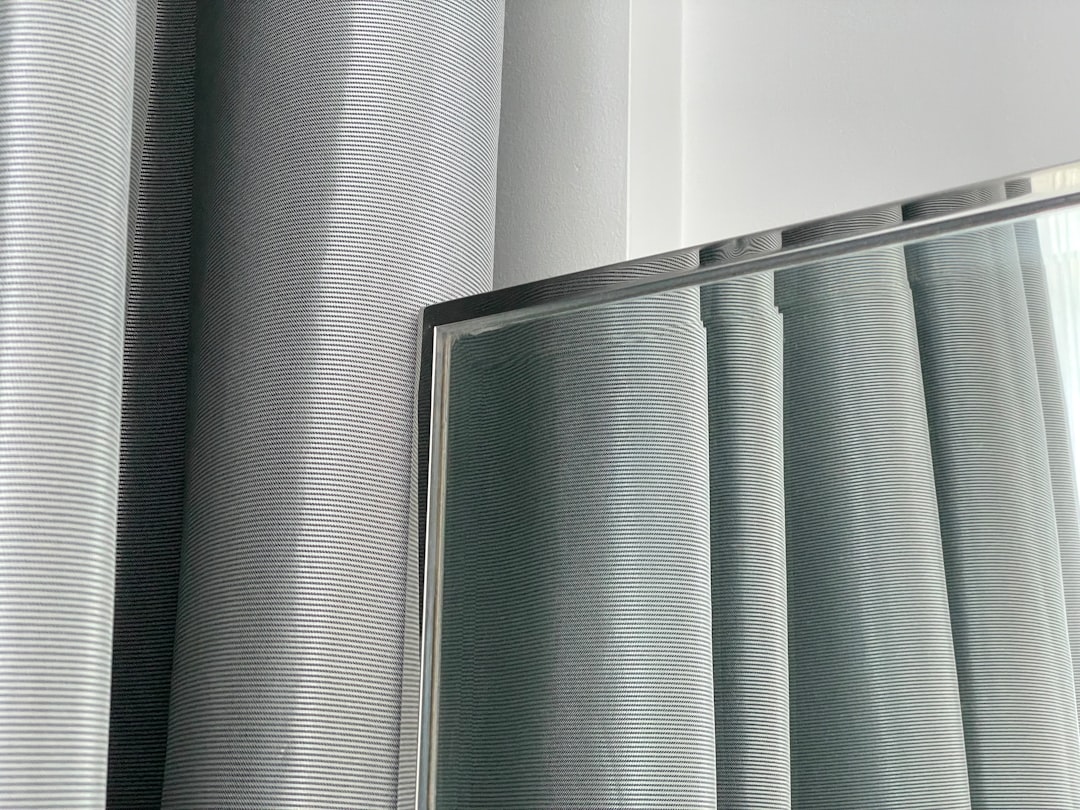
Wave fold curtains, another name for S-fold curtains, have become a popular trend. Their smooth, consistent wave pattern produces an elegant, minimalist look that complements contemporary HDB interior designs. This design maximizes window space and light entry by enabling curtains to stack neatly when open. S-Fold curtains are ideal for day-night layering systems. This entails combining a heavier blackout or dim-out curtain on a dual track with a sheer curtain.
While the heavier layer offers total privacy and light control at night, the sheer layer provides privacy during the day and diffuses light without totally blocking it. Residents of HDB who must deal with changing light & privacy needs throughout the day will greatly benefit from this flexibility. Motorized Tracks: S-Fold curtains are a great option for motorized tracks due to their consistent, smooth drape. This feature supports the increasing trend of smart window systems in HDB apartments by enabling simple operation via wall switch, remote control, or smart home integration.
Eco-friendly and useful textiles. The fabric selection for curtains is crucial, particularly given Singapore’s climate. Textured, Sustainable Fabrics: Textured, sustainable fabrics like organic cotton, recycled polyester, bamboo, and linen blends are becoming more and more popular. These materials go beyond flat, uninteresting textiles by adding tactile appeal and visual complexity. They provide advantages that go beyond aesthetics.
Linen blends: Give off an airy, natural vibe and allow for some light filtration while still providing some privacy. Also, they have good moisture-wicking qualities, which is advantageous in a humid setting. Recycled polyester is eco-friendly, long-lasting, and low maintenance. Contemporary recycled polyesters provide superior resistance to fading and shrinking while simulating the feel of natural fibers.
Bamboo: Bamboo fabrics are soft and environmentally friendly, & they are well-known for their natural antimicrobial qualities and breathability. Organic cotton is a breathable and cozy choice that is perfect for keeping HDB living areas feeling airy. Moisture-Wicking, Mildew-Resistant Linings: Adding moisture-wicking and mildew-resistant linings is crucial for prolonging the life of curtains in order to combat Singapore’s high humidity. These linings stop mold and mildew from growing, which can deteriorate fabric and be harmful to human health. Room-Specific Fabrics:.
Blackout curtains for bedrooms are essential for minimizing heat gain and creating ideal sleeping conditions. Easy-Clean Synthetics for Kitchens and Dining Areas: These high-traffic areas in HDBs benefit from fabrics that can tolerate splashes & are simple to clean or machine wash. Thermal-Lined Curtains: Thermal linings can offer an extra layer of heat reduction, particularly for windows that are directly exposed to the afternoon sun, though they are not always required because HDB has built-in structural insulation. Curtains’ cost and upkeep.
The choice of fabric, the intricacy of the design, and whether the curtains are off-the-rack or custom-made can all have a big impact on the price. Naturally, high-performance & sustainable textiles are more expensive. Dry cleaning is advised for some delicate fabrics, but routine vacuuming or light washing are the usual methods of maintenance. High-quality curtains can last ten to fifteen years or longer with the right maintenance, making them a long-lasting investment for HDB homes.
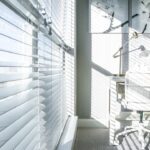
Accurate Light Control with Venetian Blinds. Horizontal slats that can be tilted to regulate light and privacy are what define Venetian blinds. Compared to fabric alternatives, they provide a more industrial or modern appearance and are especially useful for controlling direct sunlight. Materials and Usability.
Venetian blinds made of aluminum are lightweight, strong, and great for damp spaces like HDB kitchens or bathrooms. They are simple to clean and have a high moisture resistance. Venetian blinds made of faux wood have the appearance of real wood but are not prone to warping or cracking in high humidity. When a warmer look is desired but real wood is not practical, these are a good choice for living rooms or bedrooms. Wood Venetian Blinds: Although visually beautiful, real wood Venetian blinds might need more thought given Singapore’s humid climate. To avoid bowing or warping, proper finishing and treatment are crucial.
Benefits and Things HDBs Should Think About. Superior light control is Venetian blinds’ main benefit. Homeowners can reduce glare while still letting in natural light by angling the slats to direct sunlight upward or downward.
HDB units with windows facing east or west and receiving a lot of direct sunlight will especially benefit from this. Because the slats are angled to block the view from the outside without totally obstructing the light, they also provide exceptional privacy. Regular dusting & sporadic slat wiping are part of maintenance. They usually last a long time, especially if they are made of aluminum or imitation wood.
Depending on the material and level of customization, their price ranges from mid to high. Korean/Zebra Blinds: Design & Utility Collide. Korean blinds, sometimes referred to as rainbow blinds or zebra blinds, provide a distinctive horizontal alternating arrangement of sheer and opaque fabric panels.
By aligning these panels, this design enables precise control over light and privacy. Advantages and Mechanism. Homeowners can choose to have fully closed opaque sections for privacy and light blockage, fully open sheer sections for maximum light, or a combination for partial light filtration by adjusting the blind. Adaptable Light Control: Korean blinds, like Venetian blinds, are excellent at controlling natural light. They are especially well-liked in HDB living rooms and study spaces where different light levels are needed all day long.
Aesthetic Appeal: HDB interiors are given a modern & sleek appearance by the dual-layer design. They are available in a variety of hues and textures to complement various interior design themes. Privacy: Korean blinds provide exceptional privacy when the opaque sections are aligned, which makes them appropriate for bedrooms and other private areas in HDB apartments. appropriateness for HDB settings.
Korean blinds only need to be occasionally dusted, making them comparatively low maintenance. If properly cared for, they typically have a long lifespan and are robust. When the opaque panels are closed, they provide good heat insulation, but they are not as efficient as dedicated blackout options. They are typically in the mid-to-high price range, which is indicative of their dual usefulness and visual appeal.
Outdoor Zip Blinds: Enhance your balcony. Zip blinds are a game-changer for HDB apartments that have balconies. These sturdy outdoor blinds effectively increase the usable living space of an HDB unit by offering protection from the sun, rain, and insects. The operation of zip blinds. Zip blinds, also known as UNIZIP zip track blinds, function inside side channels that form a total seal, blocking openings for the sun, rain, or insects to enter.
Usually, they are constructed from high-performance, long-lasting screen materials that are impervious to moisture damage & UV rays. advantages of HDB balconies. Heat Reduction: Zip blinds considerably lower the amount of heat that enters the HDB unit by serving as a barrier against direct sunlight. This helps to lower interior temperatures and possibly lower the need for air conditioning. Sun and UV Protection: By blocking damaging UV rays, they prevent fading of both indoor and outdoor furniture. Privacy: With different levels of opacity, zip blinds offer seclusion from nearby apartments without totally blocking the view or airflow.
Insect Protection: By creating a sealed environment and effectively keeping mosquitoes & other insects out, the zip-track system improves the comfort of the balcony. Rain Protection: Zip blinds provide significant protection against light to moderate rain, so the balcony can be used even in bad weather, even though they are not completely waterproof. Smart Home Integration: In line with the 2026 trend of smart home integration for HDB apartments, many zip blind systems are motorized, enabling remote operation via a control panel, smartphone app, or voice commands. This makes it convenient and improves energy management for homeowners to change their balcony blinds without having to go outside. Durability and upkeep in the climate of Singapore.
Because of their exposure to the outdoors, zip blinds are made to be extremely durable. Usually, they are constructed from materials that are resistant to the harsh sun and torrential rains of Singapore. Periodically cleaning with water and a mild detergent to get rid of dirt and grime is part of maintenance. High-quality zip blinds can last for a significant amount of time—often more than ten years—making them an excellent investment for HDB balcony improvement. Because of their strong construction and motorization options, they are typically more expensive. Automated window systems and integration with smart homes.
Motorized window systems are a prime example of how technology is increasingly being incorporated into HDB homes. Modern homeowners find these systems very appealing due to their efficiency and ease of use. The benefits of motorized blinds and curtains. Convenience: Remote-controlled and voice-activated systems eliminate the need to manually adjust window coverings, a significant comfort, especially for large windows or hard-to-reach areas in HDB flats.
Smart Home Ecosystem: Motorised blinds & curtains can be integrated with existing smart home systems, allowing for scheduled operations (e. g. , blinds closing at sunset) or control via voice assistants (e. g. “Alexa, close the living room blinds”). This enhances the overall smart living experience in HDBs.
Energy Efficiency: Automated scheduling can contribute to better energy management. For instance, blinds can be programmed to close during the hottest parts of the day to reduce heat gain, & open when temperatures are cooler to allow natural ventilation. Security: Automated operation can give the impression that someone is home, deterring potential intruders, especially when residents are away.
Considerations for HDB Homeowners. The primary consideration for motorised systems is the initial investment, which is higher than manual options. However, the long-term benefits in terms of convenience and potential energy savings can justify this cost.
Wireless systems are often preferred for retrofitting into existing HDB units, avoiding extensive wiring. The lifespan of motorised components is generally good, with reputable systems designed for longevity. As with any electronic device, proper installation and occasional servicing are key to ensuring continued functionality. General Climate Considerations & Maintenance Tips.
Singapore’s climate presents unique challenges for all window coverings. High humidity can lead to mildew, intense sun can cause fading & material degradation, and dust accumulation is a constant battle. Humidity Management: Opt for synthetic fabrics, PVC, or treated natural materials that are less susceptible to mildew. Ensure good ventilation in your HDB flat to reduce indoor humidity.
Sun Protection: Choose UV-resistant fabrics for curtains and blinds. Blackout linings not only block light but also offer superior UV protection for furnishings. For outdoor areas, specialised screen fabrics are crucial. Cleaning Routine: Regular dusting or vacuuming is essential for all window coverings in humid Singapore. For blinds, a damp cloth can be used.
Curtains may require professional cleaning or machine washing depending on the fabric. Promptly address any stains or mildew spots. Longevity: The lifespan of window coverings can vary from 5 to 15 years, depending on the material, exposure to sun, and maintenance. Investing in quality products and adhering to care instructions will maximise their durability in your HDB home.
Cost Ranges in Singapore (Estimated). The cost of window coverings for HDB flats can vary widely based on material, customisation, motorisation, & size. As a general guide for a typical HDB window:. Manual roller blinds: SGD 80 to SGD 300 per window.
Manual Korean/Zebra Blinds: SGD 150 to SGD 400 per window. Venetian blinds (manual): SGD 100 to SGD 350 per window. Curtains (Fabric Only, Basic): SGD 100 – SGD 500 per window (excluding track and installation). Curtains (S-Fold, Day-Night, Quality Fabric): SGD 300 – SGD 800+ per window (including track and installation).
Zip Blinds (Outdoor, Balcony, Motorised): SGD 800 – SGD 2000+ per unit (depending on size and features). Motorisation Add-on: SGD 250 – SGD 500+ per blind/curtain (potentially higher for advanced smart home integration). These are indicative ranges & actual costs can differ.
Customisation, premium fabrics, & advanced features will naturally lead to higher prices. In conclusion, selecting the best window coverings for an HDB flat involves a thoughtful assessment of practical needs—especially in Singapore’s climate—alongside aesthetic preferences. From the clean lines of roller blinds and the precise light control of Venetian or Korean blinds, to the insulating comfort of S-Fold curtains and the transformative utility of zip blinds for balconies, a diverse range of options exists. The growing trend of smart home integration via motorised systems further enhances the functionality and convenience of these essential elements of any HDB home. By considering factors like heat, sun, privacy, humidity, maintenance, cost, and durability, HDB homeowners can make informed decisions that enhance their living environment for years to come.
.
FAQs
What types of window coverings are suitable for HDB flats?
Common window coverings suitable for HDB flats include roller blinds, Venetian blinds, vertical blinds, curtains, and sheer panels. These options provide varying levels of privacy, light control, and aesthetic appeal.
Are there any restrictions on window coverings in HDB flats?
Yes, HDB has guidelines to ensure uniformity and safety. For example, external window grilles and coverings must comply with HDB’s safety standards, and certain types of external shutters may require approval. It is advisable to check with HDB before installation.
Which window coverings offer the best privacy for HDB flats?
Blinds such as Venetian or roller blinds with adjustable slats provide excellent privacy control. Thick curtains or blackout blinds also offer high privacy levels, especially for units facing busy streets or neighboring blocks.
How do window coverings affect natural light in HDB flats?
Window coverings like sheer curtains or light-filtering blinds allow natural light to enter while reducing glare. Heavier curtains or blackout blinds block most light, which is useful for bedrooms or media rooms.
What are the maintenance considerations for window coverings in HDB flats?
Maintenance depends on the material; fabric curtains may require regular washing, while blinds need dusting and occasional wiping. It is important to choose materials that are easy to clean and durable, especially in humid climates.