For every homeowner, choosing between curtains and blinds is a crucial choice that affects a living area’s functionality, comfort, and energy efficiency in addition to its appearance. This choice becomes even more important in a climate like Singapore’s, where heat, humidity, and strong sunlight are constant elements. This article explores a thorough comparison of curtains and blinds, providing Singaporean homeowners making this crucial home improvement decision with an impartial and useful viewpoint. Knowing how light permeability works.
Controlling how much natural light enters a space is one of the main purposes of window treatments. This affects a space’s ambience, task suitability, and general feel. The Art of Layering and Drape for Curtains.
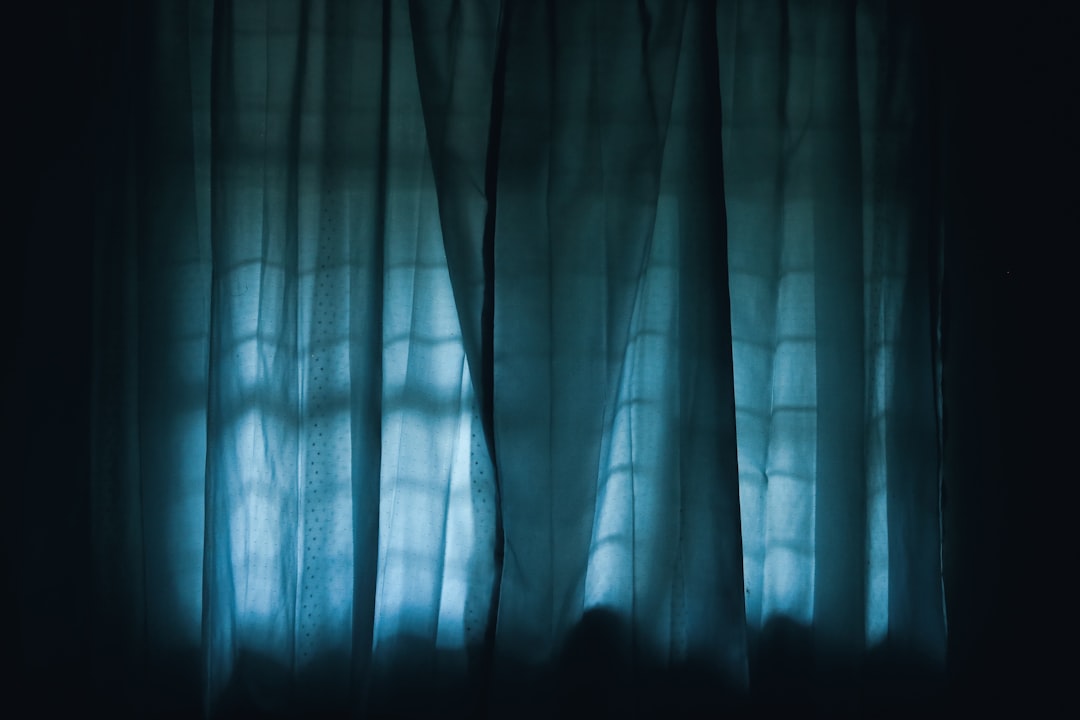
Because curtains are made of fabric, there are many different ways to control light. During the day, a sheer linen curtain is ideal for creating a soft, ethereal glow in a living room by gently diffusing sunlight. Heavy blackout curtains are perfect for bedrooms and home theaters because they can effectively block out almost all outside light.
They are frequently made of densely woven polyester or velvet. Another factor is how the fabric is draped; a well-fitting curtain can form a sealed barrier that offers a more thorough blackout than many blind options. From bright mornings to comfortable evenings, the layered effect, which combines sheers with heavier draperies, enables subtle control throughout the day. Blinds: Accuracy via Modification. Conversely, blinds provide a more mechanical method of controlling the light.
For example, roller blinds are made of a single piece of fabric or material that can be rolled up or down. The main control over roller blinds is the extent of their deployment, even though some of them offer different levels of opacity within their fabric composition. Venetian blinds enable more accurate lighting control thanks to their horizontal slats. One can maintain some visibility outside while directing sunlight upward, downward, or completely blocking it by tilting the slats. With rotating vertical slats, vertical blinds work similarly. The pockets of air created by cellular or honeycomb blinds provide a novel method of both insulation & light filtering.
.
FAQs
What are the main differences between curtains and blinds?
Curtains are fabric panels that hang from a rod and can be drawn open or closed, providing softness and insulation. Blinds consist of slats or panels made from materials like wood, metal, or plastic, which can be tilted or raised to control light and privacy.
Which option is better for controlling natural light in modern Singapore homes?
Blinds generally offer more precise control over natural light because their slats can be adjusted to allow varying amounts of sunlight. Curtains provide a more uniform block or filter of light when drawn but do not offer adjustable light control.
How do curtains and blinds compare in terms of maintenance in Singapore’s humid climate?
Blinds are typically easier to clean as they can be wiped down with a damp cloth, making them suitable for humid environments. Curtains may require regular washing or dry cleaning to prevent mold and mildew buildup due to Singapore’s high humidity.
Are curtains or blinds more energy-efficient for homes in Singapore?
Curtains made from thick or thermal fabrics can provide better insulation, helping to reduce heat gain and lower cooling costs. However, blinds with reflective surfaces can also help deflect sunlight. The choice depends on material and installation.
Which window treatment is more suitable for modern interior design styles in Singapore?
Both curtains and blinds can complement modern interiors, but blinds often offer a sleek, minimalist look favored in contemporary Singapore homes. Curtains add warmth and texture, which can soften modern spaces depending on fabric and color choices.